
The strongest AI predictions for 2027 are longer-running agents, record spending near $3.5 trillion, power and memory shortages, and new EU rules arriving in December. The least certain are AGI by 2027 and mass job loss. Treat analyst forecasts as planning inputs, not promises.

Every December brings a fresh pile of AI predictions, and most are vibes dressed up as data. This list is different in one way: each item comes from a named forecaster or enacted law, and each carries a confidence rating.
You will find the safe bets, the shaky ones, and my own verdict on each. The aim is to help you plan, not to scare you.
How reliable are AI predictions for 2027?
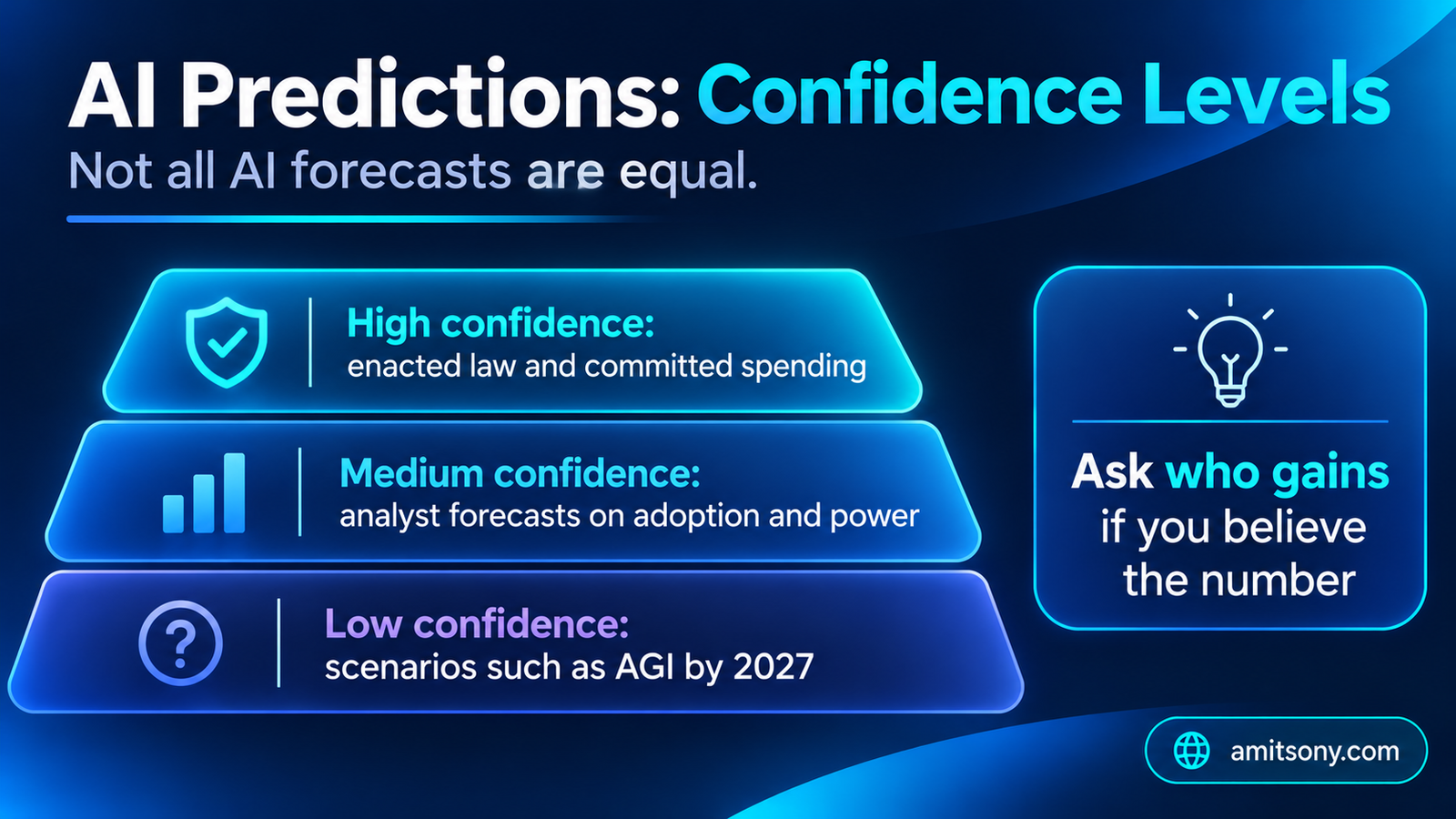
Not equally. Treat them in three tiers.
Enacted law is the most reliable. Dates written into regulation rarely move without a public fight, though they can be delayed, as the EU has already shown.
Analyst forecasts sit in the middle. Firms like Gartner model spending and adoption from current trends. They have been directionally right on money and wrong on timing more than once.
Scenarios are the least reliable. The AI 2027 project is the most cited, but its own authors describe it as a planning tool rather than a literal forecast. A good habit is to ask who gains if you believe a given number.
Will AI agents handle day-long tasks by 2027?
Confidence: medium to high on the trend.
METR measures how long a task, in human working time, an AI agent can finish with 50 percent success. That horizon doubled roughly every 7 months from 2019 to 2024, and about every 4 months since, with newer data suggesting a pace nearer 3 months. By early 2026, the best model tested sat around 12 hours, and the strongest systems were hitting the ceiling of what the benchmark can reliably measure.
Extend that line and agents handle multi-day software tasks in lab conditions during 2027. My verdict: believe the direction, discount the headline. The benchmark is mostly software work with clear goals. Your messy approvals, legacy systems and ambiguous briefs will lag it.
Will companies scrap many AI agent projects?
Confidence: medium.
Gartner predicts that over 40 percent of agentic AI projects will be cancelled by the end of 2027, mainly from rising costs and unclear business value. A related prediction expects around 40 percent of enterprises to demote or decommission autonomous agents after governance gaps show up in real incidents.
The pattern is familiar. Teams treat governance as binary, either fully locked down or fully trusted, and then something goes wrong. I expect the cancellations to hit vague pilots with no owner and no metric. Narrow agents with one measurable job will survive.
Will multi-agent systems become the default design?
Confidence: medium.
Gartner expects one-third of agentic AI implementations to combine agents with different skills by 2027. A planner, a researcher and a checker beat one all-purpose agent on reliability, and they make failure easier to trace.
Expect a new layer too. So-called guardian agents, which monitor and block other agents, are tipped to become standard. That is good news for anyone worried about runaway automation, though a guardian is only as good as the rules you give it.
How much will the world spend on AI in 2027?
Confidence: high on direction.
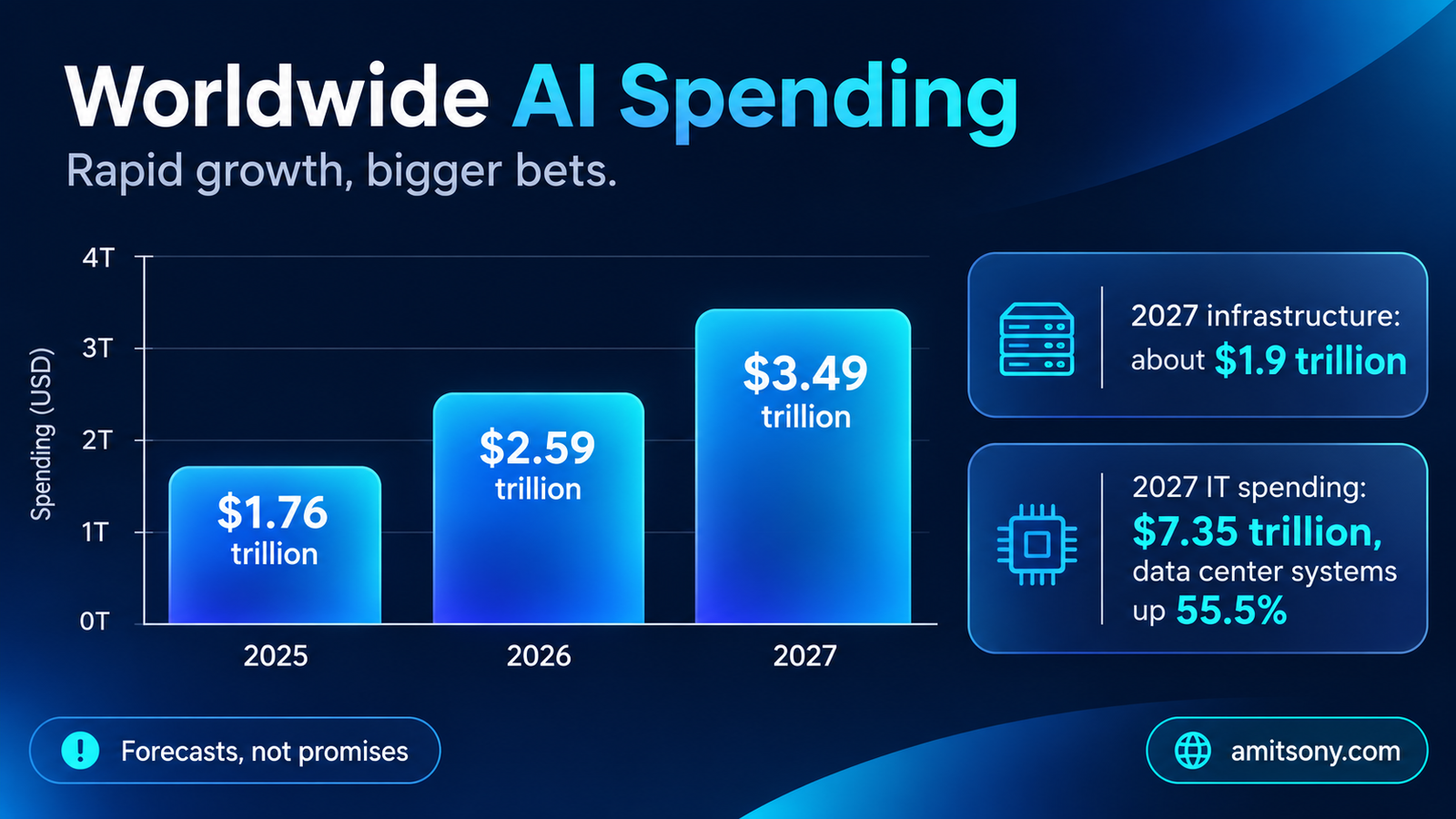
Gartner's May 2026 forecast puts worldwide AI spending at about $1.76 trillion in 2025, $2.59 trillion in 2026 and $3.49 trillion in 2027. Infrastructure is the biggest slice, at roughly $1.9 trillion in 2027 by that forecast, with some other Gartner releases quoting close to $2 trillion.
Its October forecast adds that total IT spending will pass $7.35 trillion in 2027, up 15 percent, with data center systems growing 55.5 percent to $1.37 trillion. Money already committed to chips and buildings does not vanish in a year, which is why this is the safest prediction here.
Is an AI funding shake-out coming?
Confidence: medium.
Gartner's October analysis warns of a $4.9 trillion gap between what AI data centers must earn and what the market is expected to pay. It says more than $3.5 trillion of infrastructure spending could face write-downs by 2030, and that 80 percent of neocloud providers, the GPU-rental specialists, may cease independent operations by 2030.
The firm's own caveat matters. This assumes spending continues at its current pace, and assumptions change.
My read for 2027: expect consolidation among smaller GPU clouds and tougher funding terms for weaker players. That is a reshuffle of who owns the hardware, not a collapse in AI use. The tools you rely on will not disappear, but a few vendors might.
Will power and memory limit AI growth in 2027?
Confidence: medium to high.
Gartner predicts power shortages will constrain 40 percent of existing AI data centers by 2027. It also notes that data center demand has more than doubled memory prices over the past 12 months, a cost that is spilling into servers, PCs, phones and storage.
Plan for pricier hardware and for cloud vendors passing power costs on to customers. If you are about to buy a laptop or a phone, the cost of waiting may be higher than the cost of buying now.
What AI rules arrive in 2027?
Confidence: high on dates, with caution.
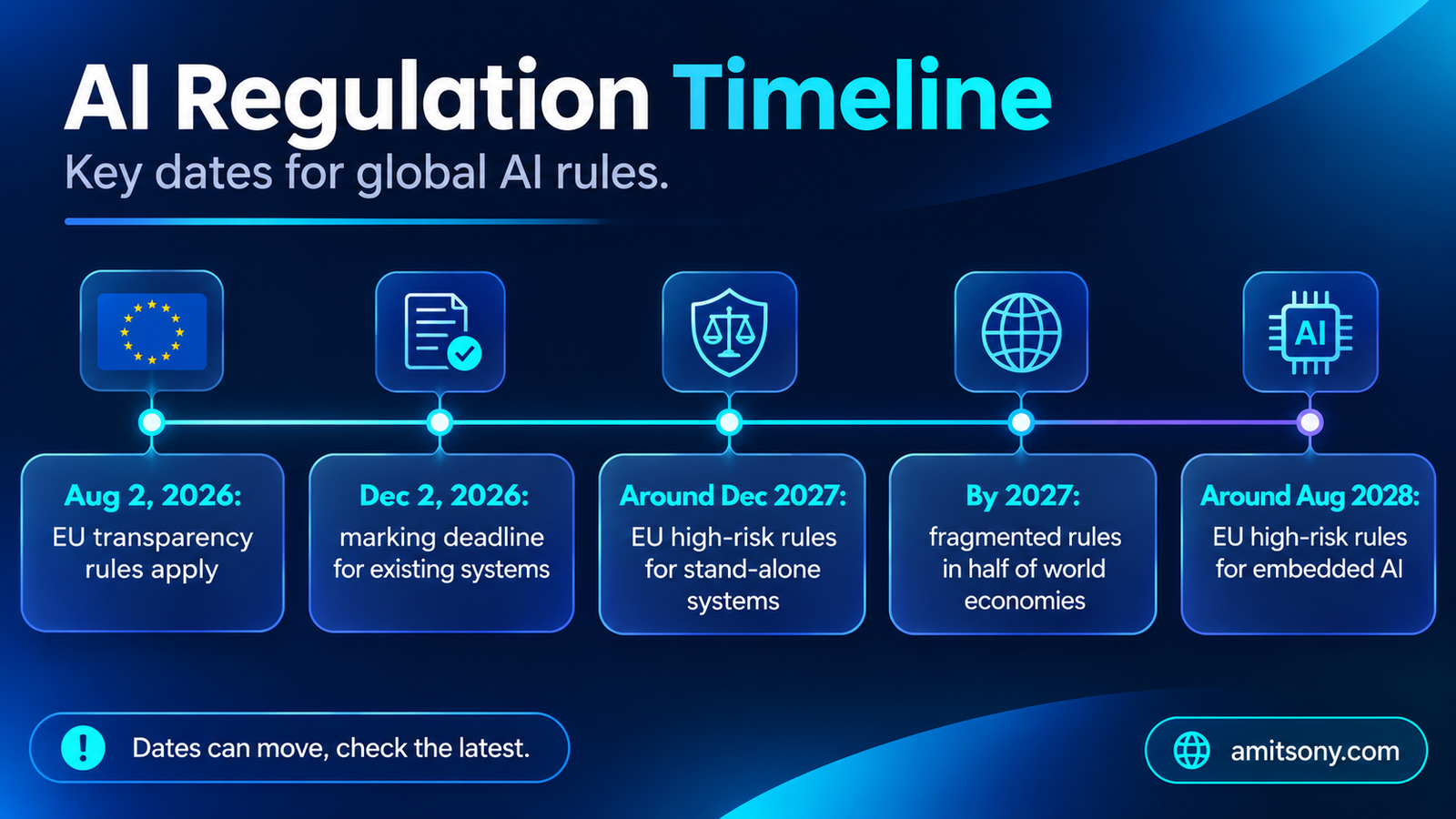
The EU's transparency rules, including labelling of AI content, started applying on August 2, 2026. High-risk system obligations under the AI Act have been pushed back, with stand-alone high-risk systems now due around December 2027 and AI embedded in regulated products around August 2028.
Beyond Europe, Gartner predicts fragmented AI rules will cover half of the world's economies by 2027, driving roughly $5 billion of compliance spending. Expect a patchwork, not one global standard.
Verdict: if you sell AI into several regions, build a disclosure and audit trail once and adapt it per market. Do not build region by region.
Will AI automate AI research by 2027?
Confidence: low.
The AI 2027 scenario places a superhuman coder in early 2027 and describes a chain in which AI agents improve AI faster than people can follow. A separate forecast expects an autonomous AI team to beat human-led model research on equal compute by the end of 2027, with low confidence attached.
Its authors have updated their numbers repeatedly, and tracker data shows some milestones on pace and others not. I would bet on strong coding agents in 2027. I would not bet your roadmap on general human-level AI, or on one-year superintelligence.
Will AI take jobs in 2027?
Confidence: medium on direction, low on scale.
Trackers following the AI 2027 scenario say junior software roles are already facing disruption. The World Economic Forum's earlier projection expected 26 million administrative and clerical jobs to decline by 2027 while AI and big data roles grow 30 to 35 percent.
Those figures date from 2023, so treat them as a direction, not a forecast. My verdict: expect more tasks automated than jobs eliminated, with entry-level hiring hit first because it is the easiest work to hand to an agent. The people who stay valuable are those who can supervise, verify and decide.
Will AI make cyberattacks faster in 2027?
Confidence: medium.
Gartner predicts AI agents will cut the time needed to exploit account exposures by 50 percent by 2027, by automating steps from deepfake voice social engineering to credential abuse. Attackers are among the quickest adopters of any new tool.
Defences are simple and unglamorous. Use passkeys instead of passwords, confirm any urgent money or credential request through a second channel, and never act on a voice or video message alone.
How should you prepare for AI in 2027?
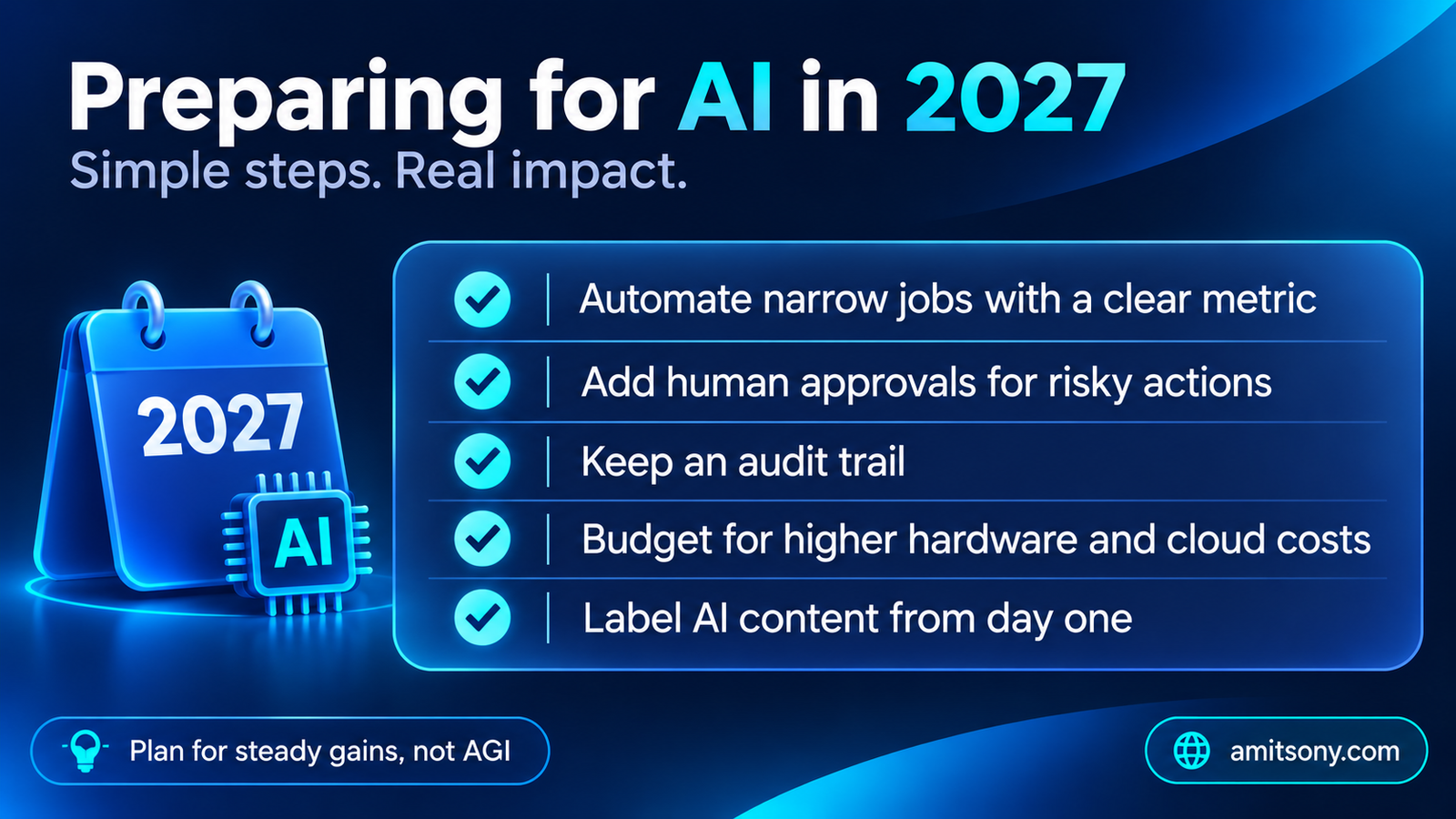
Pick narrow, measurable jobs for agents. If you cannot state the success metric in one sentence, do not automate it yet.
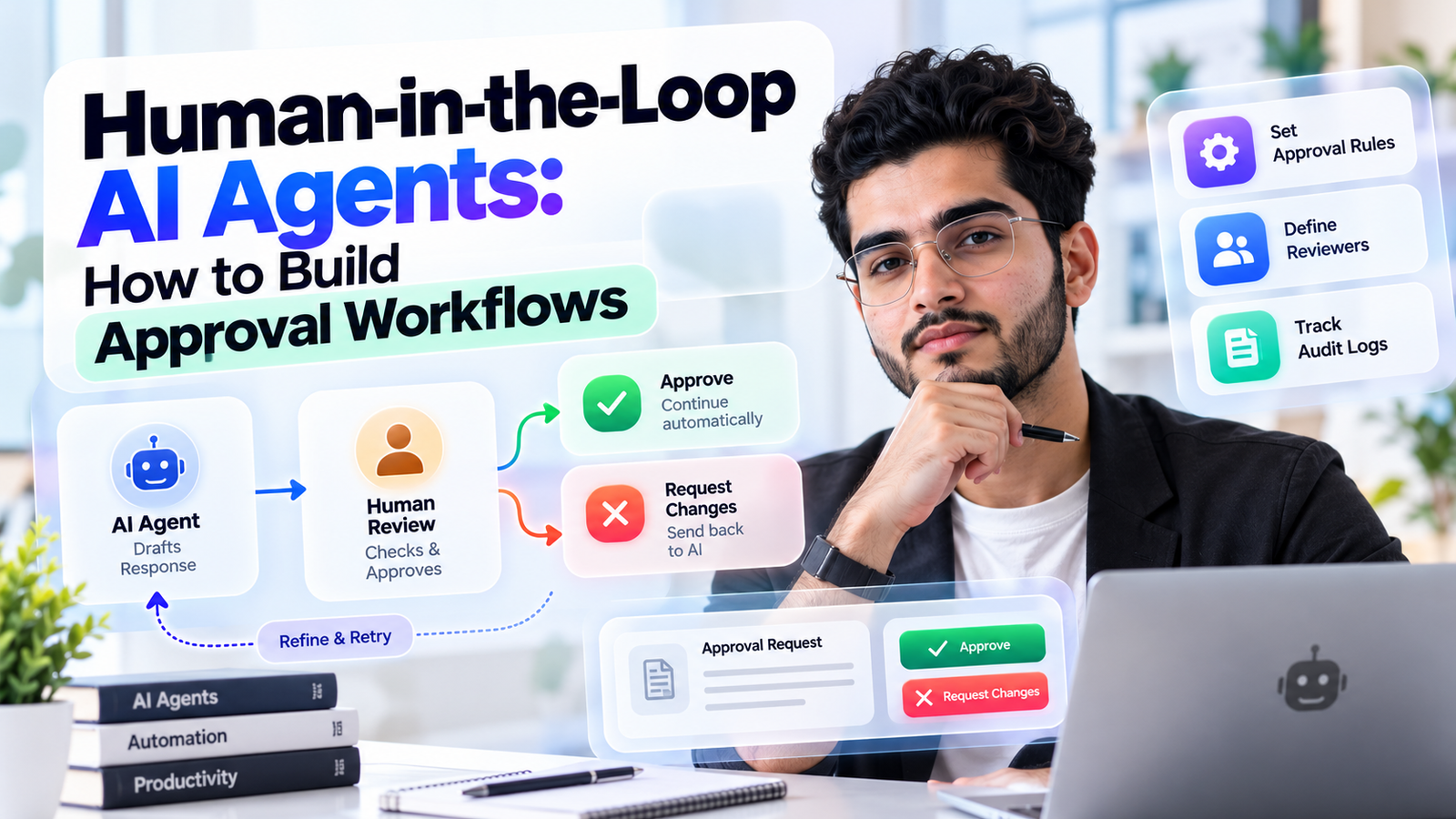
Add human approvals for anything risky, such as money, deletions and customer messages. Keep an audit trail of what the agent did and why.
Budget for rising hardware and cloud costs. Build a disclosure habit now for AI-generated content, since labelling rules are already live.
Finally, do not plan around AGI arriving in 2027. Plan around steady gains, a few vendor surprises and a regulatory patchwork. That plan survives most outcomes.
Frequently Asked Questions
What are the biggest AI predictions for 2027?
Longer-running agents, spending near $3.5 trillion, power and memory shortages, new EU high-risk rules from December 2027, and a wave of cancelled agent projects.
Will AGI arrive in 2027?
Unlikely to be settled. The AI 2027 scenario describes a fast path, but its authors call it a planning tool, and other forecasts attach low confidence.
Will AI take my job in 2027?
More likely it will change tasks than remove whole jobs. Entry-level roles that are easy to automate face the most pressure.
How much will companies spend on AI in 2027?
Gartner forecasts about $3.49 trillion in worldwide AI spending, with infrastructure the largest part.
Is the AI boom a bubble?
Gartner warns of a $4.9 trillion revenue gap by 2030, so a reshuffle among infrastructure providers is plausible. That is different from AI itself failing.