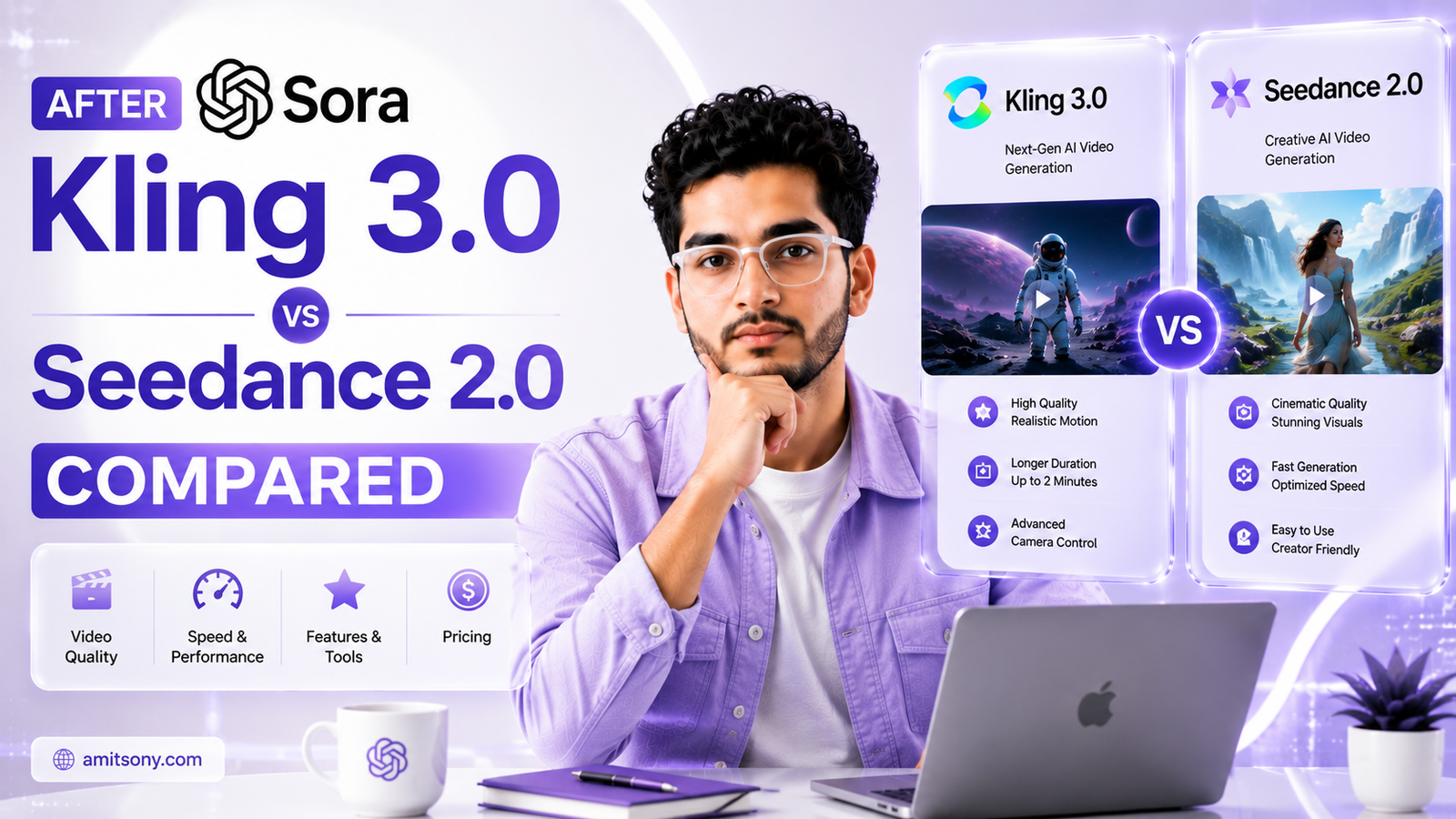

Sora's app shut down on April 26, 2026, with its API following on September 24, 2026. Google Veo 3.1 is the strongest overall replacement for quality and native audio, Runway Gen-4.5 wins on creative control, Kling AI 3.0 is the best budget pick for realistic humans, and Pika 2.5 covers fast, stylized social content.
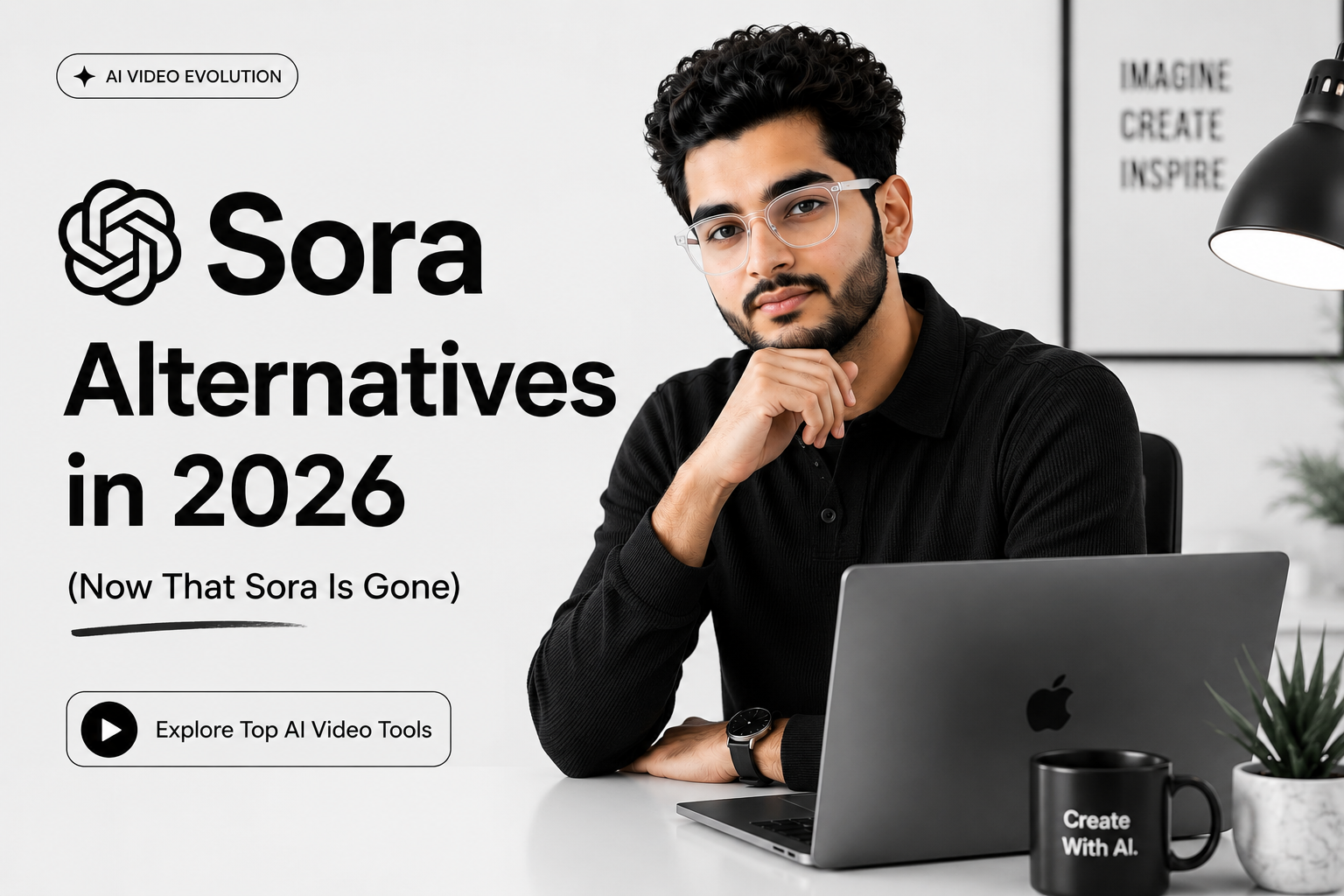
Disney had committed $1 billion to a Sora partnership. They found out it was ending less than an hour before the public did. That's how fast OpenAI pulled the plug, and it tells you everything about how sudden this shutdown actually was.
If you built any part of your workflow around Sora, the clock is already running. This guide covers exactly what happened, the real dates you need to know, and which tools actually replace what Sora did, broken down by what you're trying to make rather than a generic "top 10" ranking that doesn't help you pick.
What Actually Happened to Sora?
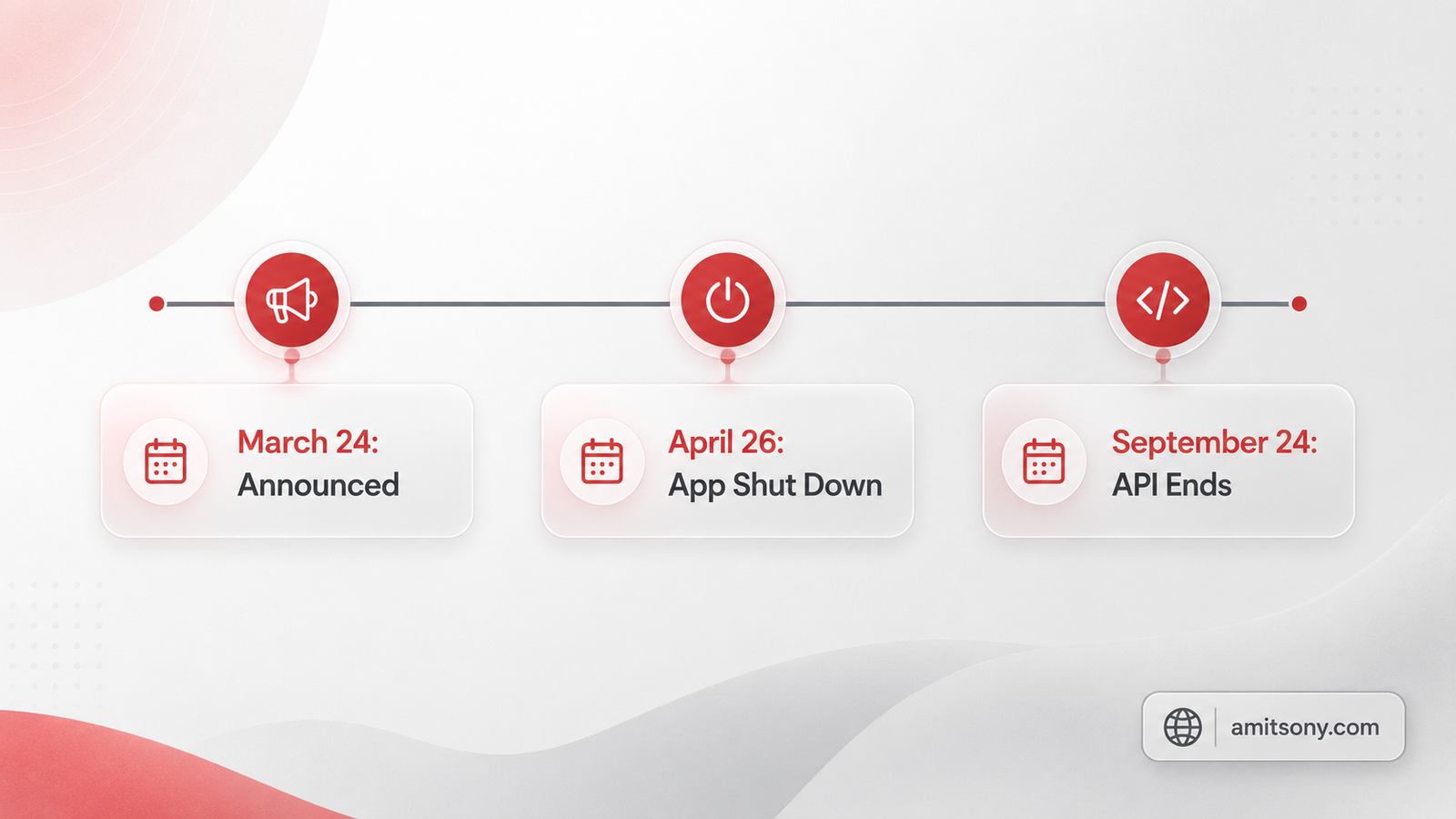
OpenAI announced the shutdown on March 24, 2026, with almost no warning. The web and app experiences went dark on April 26, and the API is scheduled to follow on September 24, 2026.
The numbers explain the decision better than any official statement did. Sora was burning roughly $1 million a day in compute costs while generating only $2.1 million in total lifetime revenue. Active users peaked near 1 million after launch and had fallen below 500,000 by the time the shutdown was announced.
Professional creators reportedly canceled the $200 per month Pro tier in waves once the initial novelty wore off. Copyright disputes and deepfake concerns added legal pressure on top of the cost problem, and the Disney licensing deal collapsed along with everything else.
OpenAI hasn't ruled out a future licensed version, but as of mid-2026 there's no active roadmap. Treat this as permanent for planning purposes, not a pause.
Which Alternative Is Best for Overall Quality and Native Audio?
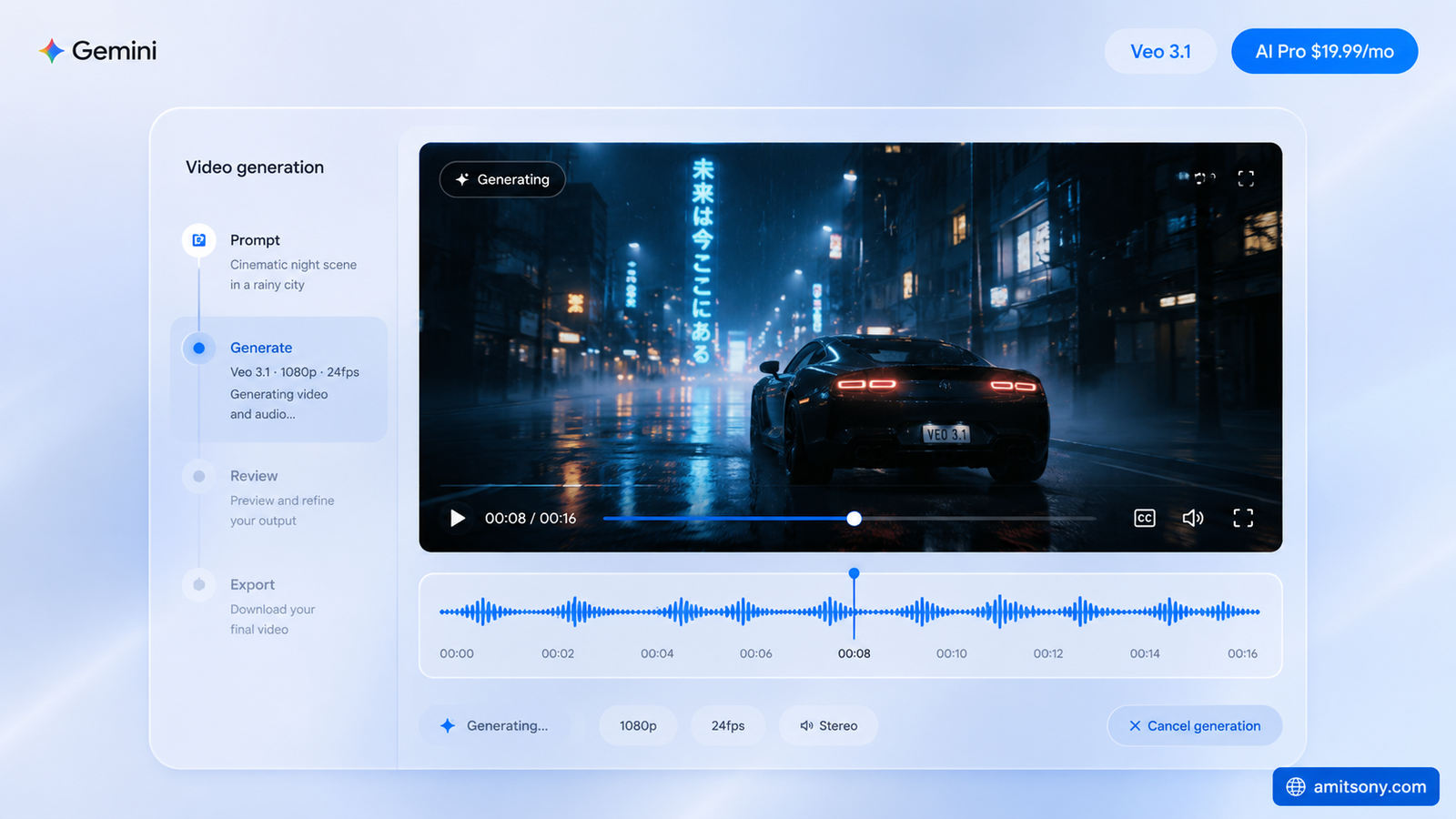
Google Veo 3.1 is the closest thing to a straight upgrade from what Sora promised. It's currently the strongest all-around model for prompt adherence, and it's the only major player generating true 48kHz synchronized dialogue rather than just background sound effects.
Access runs through Google AI Pro at $19.99 per month, and Google AI Ultra at $249.99 per month unlocks higher volume and priority generation for heavier workloads. There's a cheaper side door too, Veo 3.1 is also selectable as a model inside Adobe Firefly's $9.99 per month plan, worth knowing if you already have that subscription for other work.
The tradeoff is availability. Access has been inconsistent in parts of Europe, and unlike Sora's old approach, there's no free tier at all here. If quality and audio are non-negotiable for your project, this is still the one to beat.
Which Alternative Gives You the Most Creative Control?
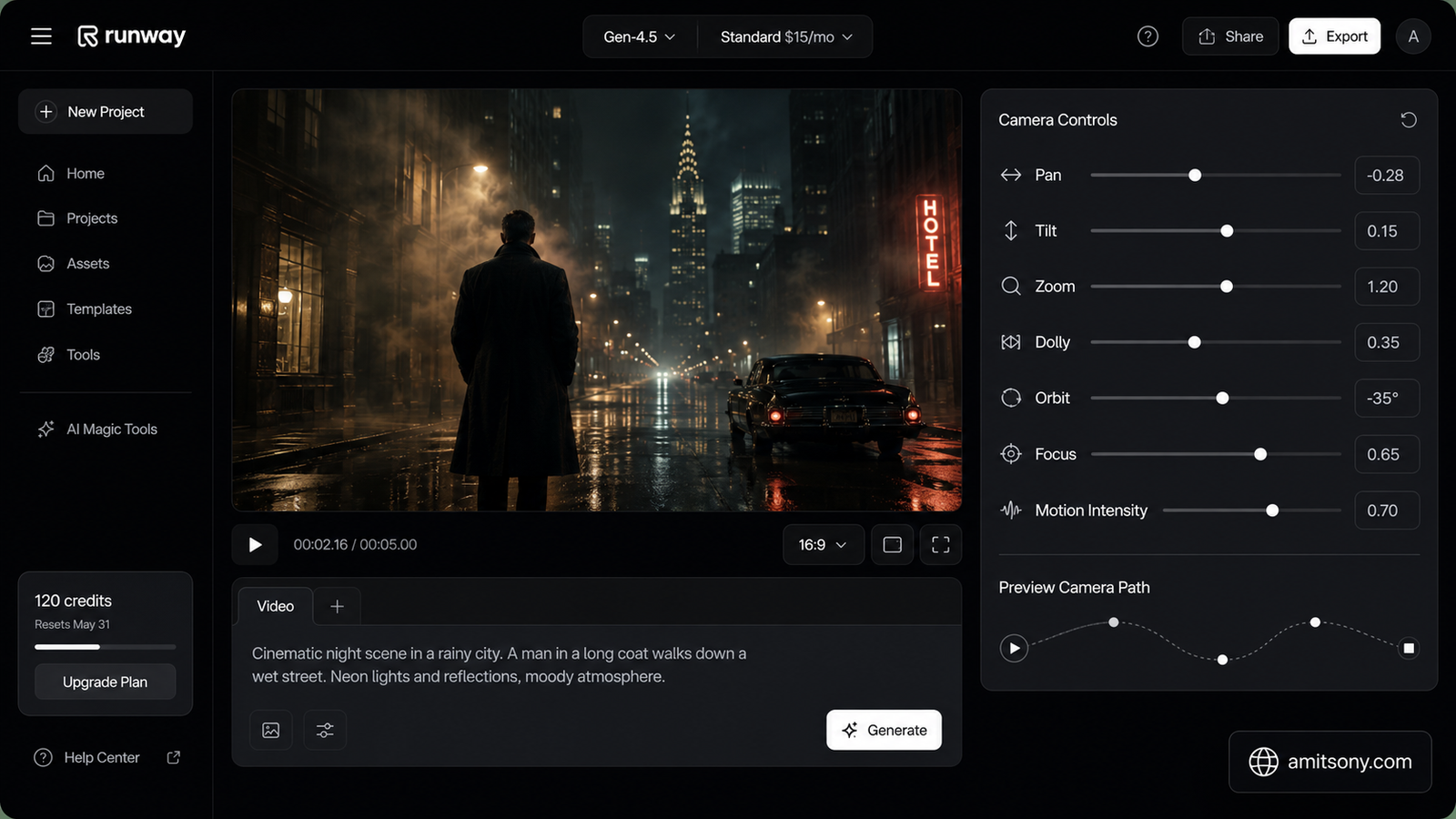
Runway's Gen-4.5 is what agencies and production teams reach for when a client needs something that looks directed, not just generated. Motion brushes, precise camera controls, and genuine scene consistency across shots give it a level of control nothing else on this list matches.
The free plan gives you 125 credits per month, enough to test the workflow, but it explicitly blocks commercial use. Standard runs $15 per month, Pro is $35 per month, and Unlimited tops out at $95 per month for teams generating constantly.
One real limitation worth knowing before you commit. A single clip runs only 5 to 10 seconds, so a 2-minute video means generating and stitching together roughly twenty separate clips yourself. Kling handles long single-pass clips better. Runway wins on how good each individual shot looks, not on how little assembly work you'll do afterward.
Which Alternative Is Best for Realistic Human Video on a Budget?
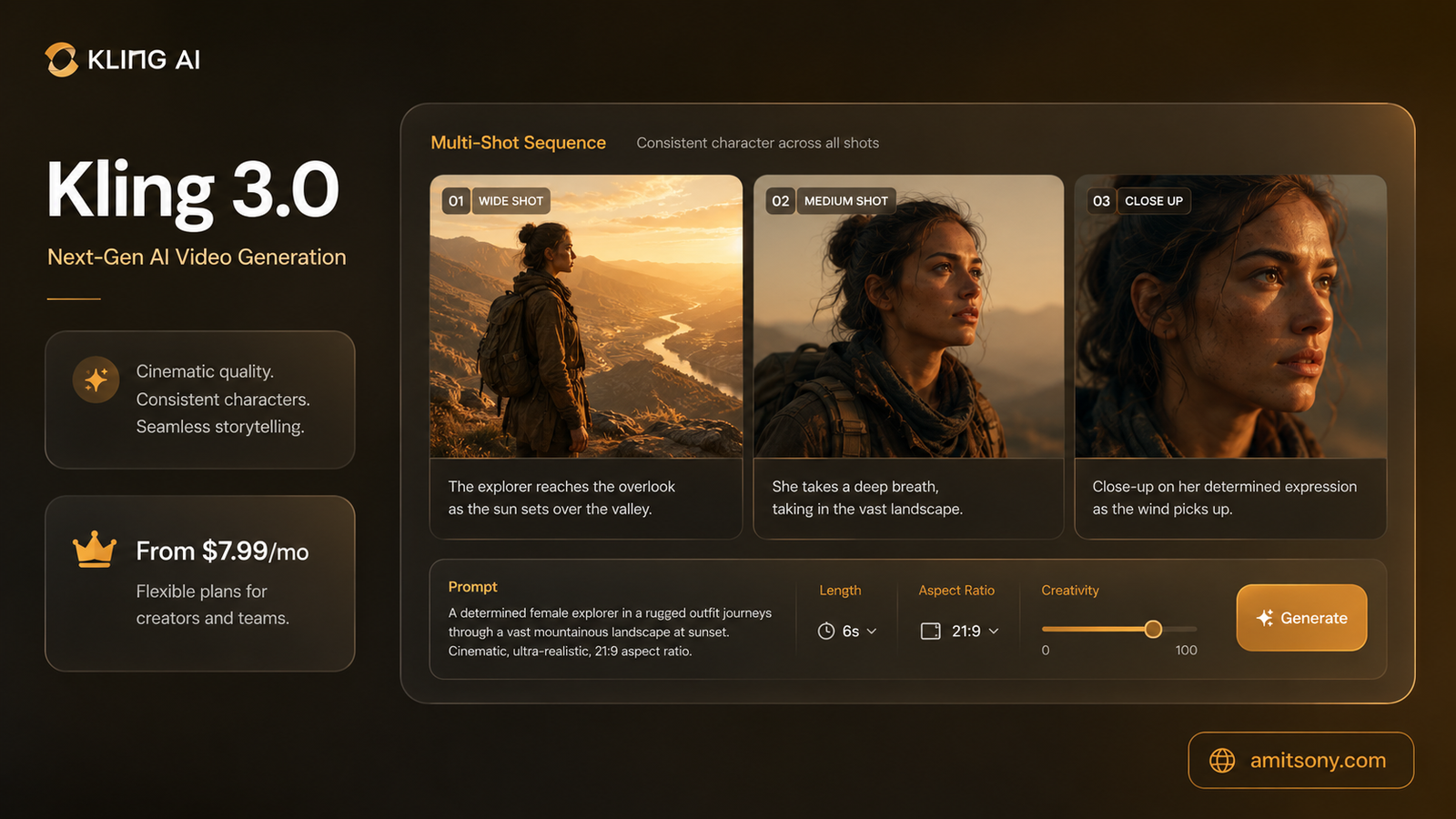
Kling AI's 3.0 update is the one people keep bringing up when the conversation turns to natural human motion and lip-sync. It's built around directorial physics, and its Elements 3.0 feature locks characters and props in place so they don't drift across a longer sequence.
The practical advantage over Runway is duration. Kling generates multi-shot clips running 3 to 15 seconds in a single pass, with native 4K at 60fps and multilingual lip-sync built in. For longer-form content, that alone can save hours of manual clip assembly.
Pricing starts around $7.99 to $10 per month depending on the exact plan, which is genuinely the cheapest entry point among the serious contenders on this list. There's a free tier too, with daily generation limits, good enough to judge quality before paying anything.
Honestly, if budget is the deciding factor and you're making anything with people in it, start here before looking at the pricier options.
Which Alternative Is Best for Stylized, Social-First Content?
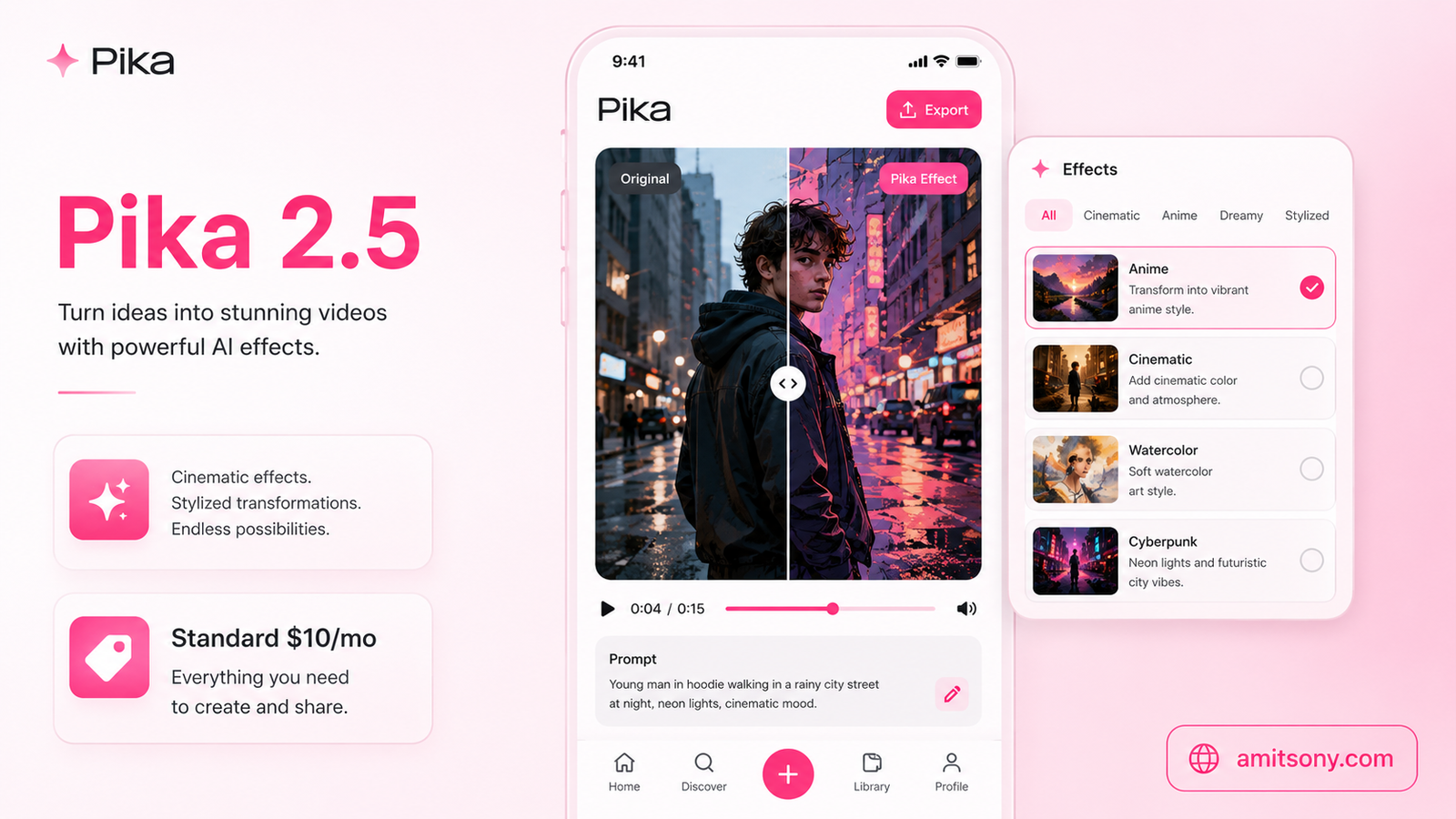
Pika isn't chasing photorealism, and that's the point. Its toolkit, Pikaswaps, Pikaffects, and Pikatwists, is built for the fast, slightly weird creative loop that actually performs well on Reels and TikTok, not for cinematic client work.
The free Basic plan gives 80 monthly credits, enough for a dozen quick tests but not much more, and commercial use is blocked until you upgrade. Standard runs $10 per month for 700 credits, Pro is $35 per month for 2,300 credits and removes the watermark, and Fancy at $95 per month gives 6,000 credits for daily high-volume posting.
Watch your credit burn rate closely. Detailed edits and Pro-model effects drain the Standard plan's allowance fast, sometimes in a single afternoon of heavy iteration.
Which Alternative Has the Most Physically Accurate Motion?
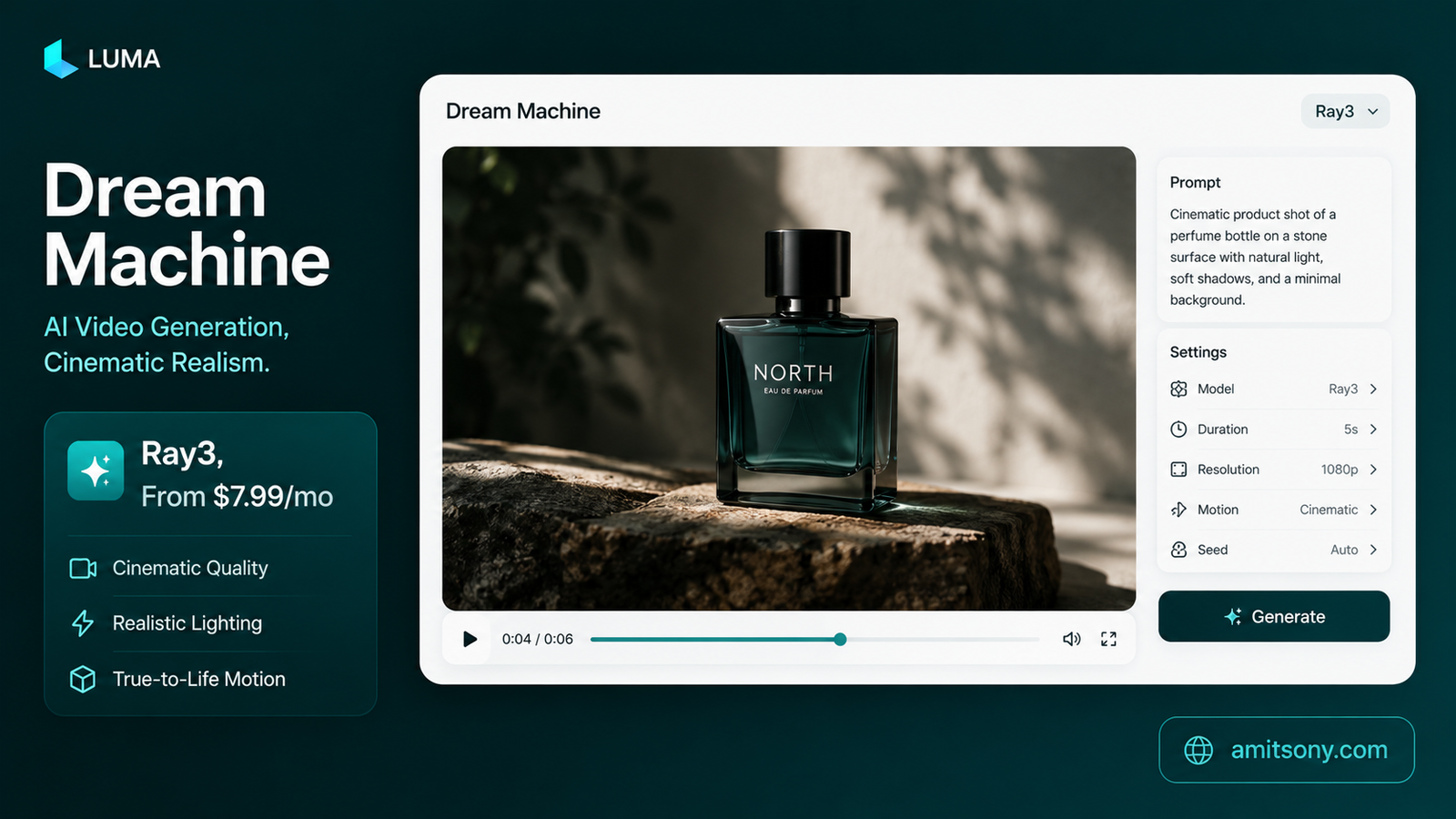
Luma Dream Machine, running on the Ray3 model, produces some of the most physically believable motion of anything in this comparison, and it's noticeably faster than Runway or Kling at equivalent quality.
The recent Ray3.14 update added native 16-bit HDR, a first among these tools, along with a video-to-video editing mode for reworking existing footage rather than generating from scratch every time.
There's a free tier with watermarked output for testing, and paid access starts around $7.99 per month. This is a strong pick for product hero shots and short cinematic vignettes specifically, less suited to longer narrative sequences where Kling's multi-shot approach pulls ahead.
Which Tool Should You Use for Avatar or Corporate Video Instead?
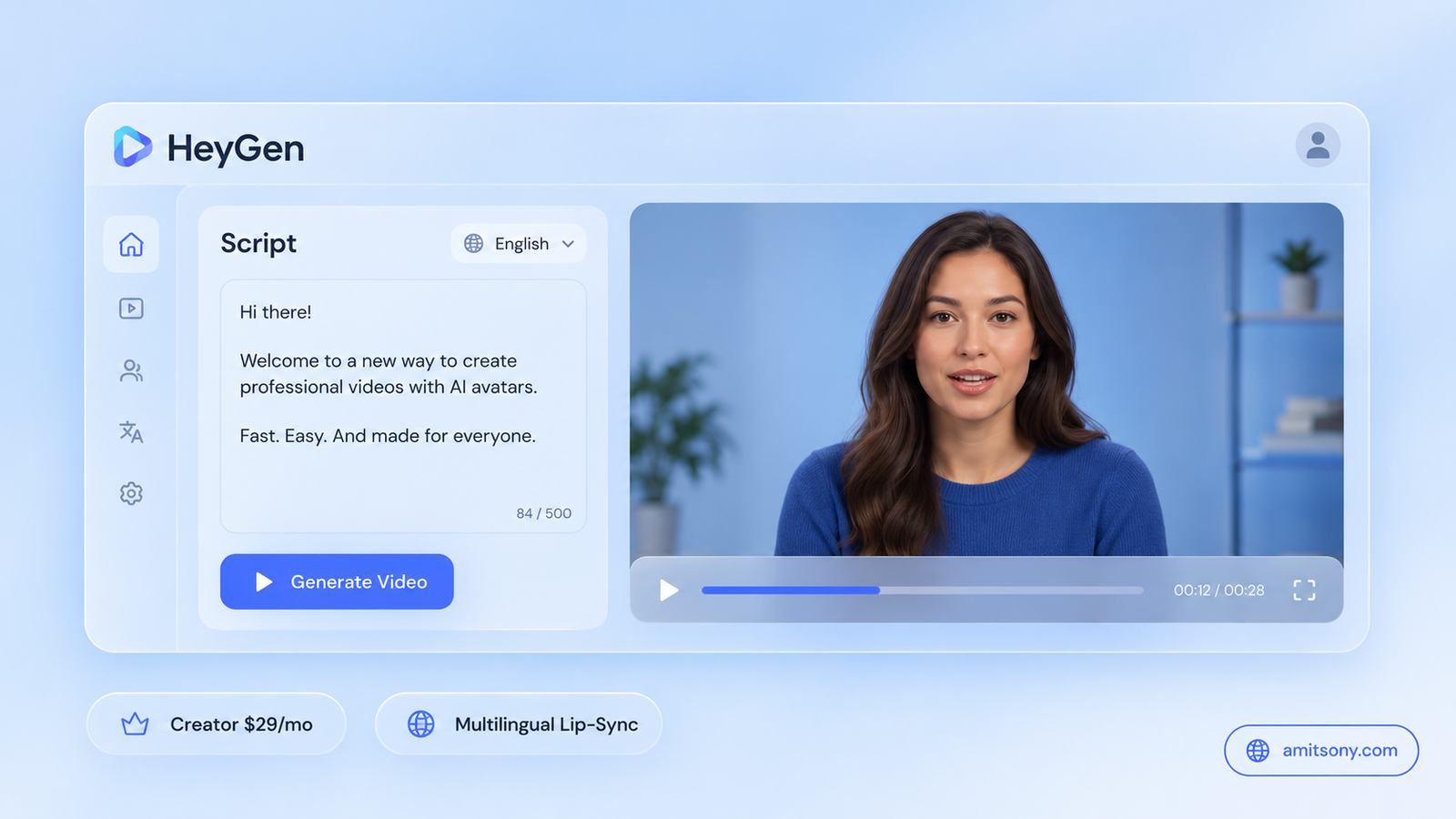
None of the tools above are actually built for talking-head, presenter-style video, and Sora was never great at that either. If your need is a real person speaking directly to camera, HeyGen is the more accurate replacement.
Creator plan runs $29 per month and covers unlimited standard avatar videos with multilingual lip-sync, genuinely useful if you're localizing training content or outreach videos for a global audience. Synthesia sits in the same price bracket at $29 per month and serves a nearly identical use case for corporate training.
Don't force a cinematic text-to-video tool into this job. Avatar-first platforms handle lip-sync and presenter consistency in ways Veo, Runway, and Kling simply aren't optimized for.
Should You Export Your Sora Content Before It's Gone?
Yes, immediately, don't wait. Go to the Sora sunset export page, request your export, and wait for OpenAI's email with the download link before doing anything else on this list.
OpenAI has confirmed that once the shutdown deadlines pass, all account data gets permanently deleted, and there's no guaranteed recovery window afterward. Large libraries can take time to process, so don't leave this until the final week before the API cutoff.
If you're mid-project with content generated in Sora, treat this export as step one, not an afterthought you'll get to eventually.
So Which Sora Alternative Should You Actually Switch To?
Stop trying to find a single one-to-one replacement, because it doesn't exist. Sora tried to do cinematic quality, social content, and a social feed all at once, and ended up burning a million dollars a day proving that's a hard combination to sustain.
Pick based on the actual job. Veo 3.1 if quality and audio matter most, Runway if you need directorial control and don't mind assembling clips, Kling if budget and realistic humans are the priority, and Pika if you're publishing stylized content daily.
Most serious teams end up running two tools, not one, the same way many already did before Sora ever existed.
Frequently Asked Questions
Is Sora completely gone now?
The app and web experience shut down April 26, 2026. The API remains active only until September 24, 2026, after which there's no confirmed Sora product at all.
Which Sora alternative is closest to what Sora actually did?
Google Veo 3.1 is the closest match for cinematic quality and native audio, though no single tool replicates Sora's old social feed feature.
What's the cheapest real alternative to Sora?
Kling AI's entry plan starts around $7.99 to $10 per month and is widely considered the best value pick for realistic human video.
Can I still access my old Sora videos?
Only if you export them before OpenAI's deadlines. After the shutdown dates pass, account data is permanently deleted with no guaranteed recovery.
Why did OpenAI shut down Sora so suddenly?
It was losing money fast, roughly $1 million a day in compute costs against just $2.1 million in total revenue, while user numbers were falling.