

The best Grammarly alternatives in 2026 are QuillBot for free unlimited grammar checking, ProWritingAid for fiction and long-form writing, and LanguageTool for multilingual support. Most alternatives cost less than Grammarly's $144 a year Pro plan while offering deeper rewriting and style analysis.
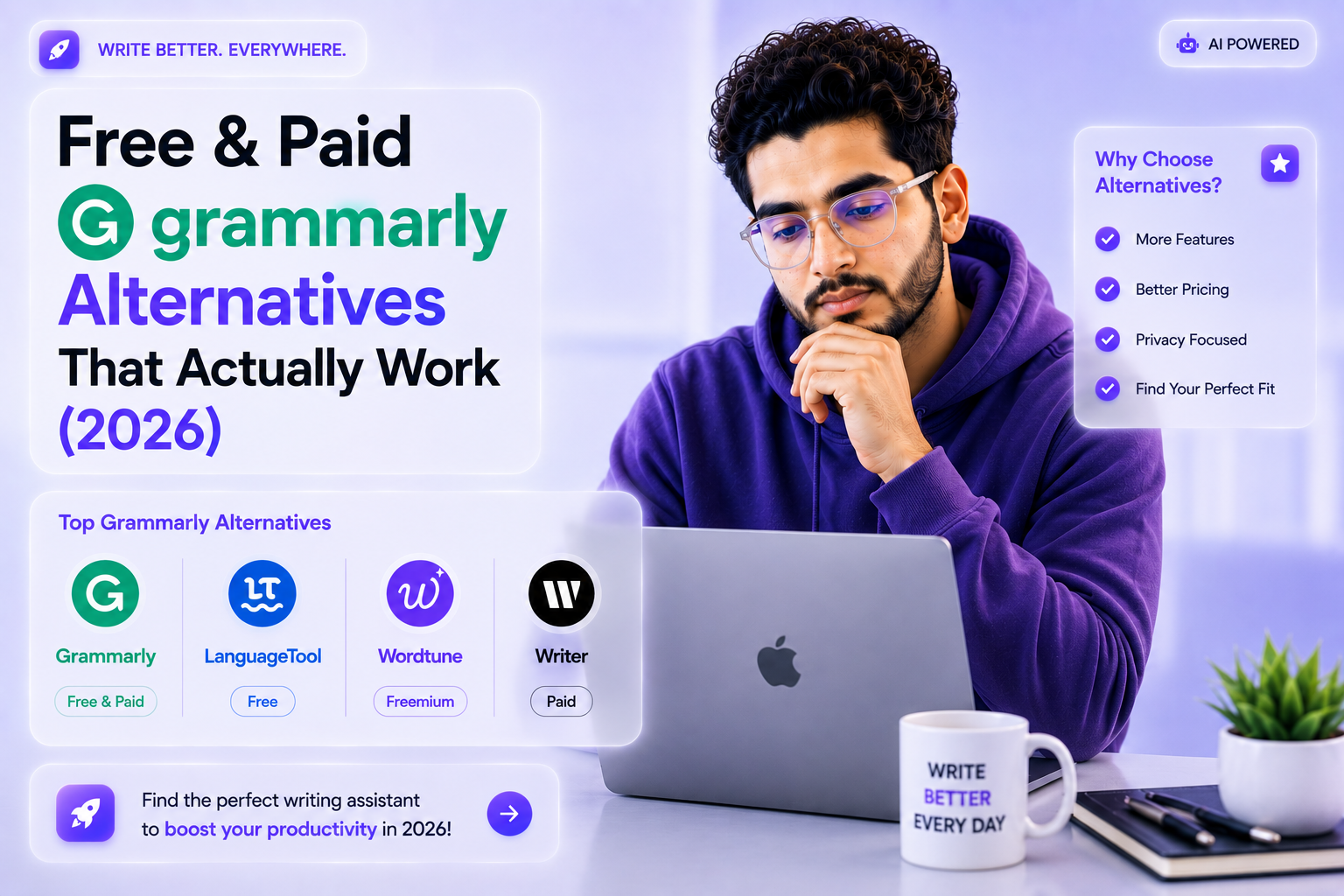
Grammarly's pricing has quietly become a problem for a lot of writers. The Pro plan runs $144 a year if you pay annually, but jumps to roughly $360 a year if you pay monthly, and the free tier now caps you at 100 AI prompts a month.
Add a March 2026 controversy over fake expert endorsements and a forced bundle into Grammarly's new "Superhuman" suite that most users never asked for, and it's no surprise people are actively searching for a way out. The good news is the alternatives have genuinely caught up. Some are better for fiction, some are free and unlimited, and a few quietly outperform Grammarly on accuracy alone.
Why are people switching away from Grammarly in 2026?
Price is the biggest driver. Grammarly Premium costs $144 a year on annual billing, but that number more than doubles to around $360 a year if you choose monthly payments instead, which catches a lot of users off guard.
The free tier has also gotten thinner. Grammarly now limits free users to 100 AI prompts a month, which sounds generous until you're three documents deep and suddenly locked out for the rest of the month.
Language support is another sore point. Grammarly works in English only, while several competitors check grammar and style across 30 or more languages, which matters a lot for multilingual writers, students, and global teams.
Then there's the trust issue. A March 2026 scandal involving fake expert endorsements, combined with Grammarly folding its product into a broader "Superhuman" suite that bundles in features many users never wanted, pushed a real wave of long-time subscribers to start looking elsewhere.
What is the best free Grammarly alternative?
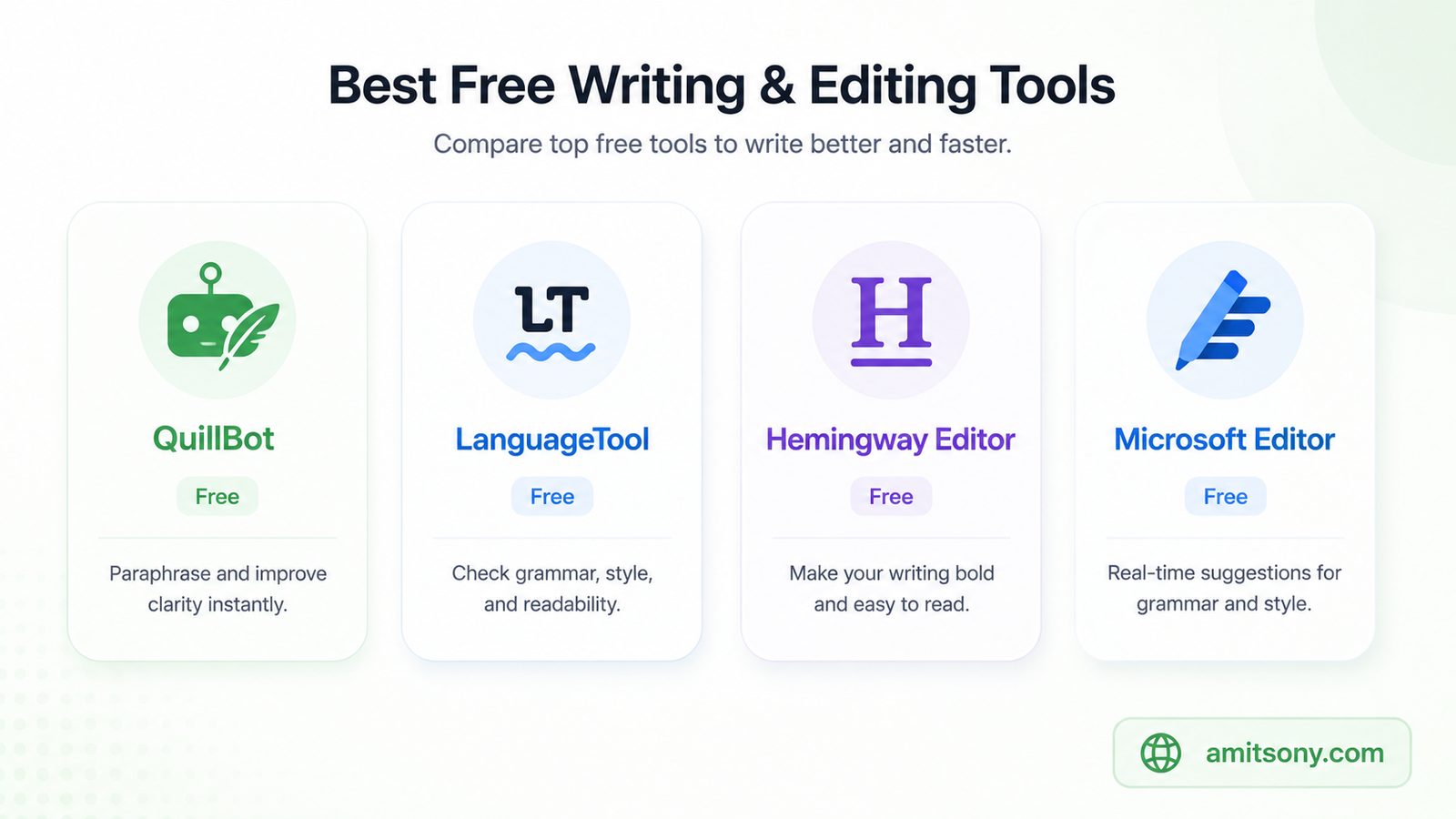
QuillBot is the strongest free pick available right now. Its grammar checker is completely free and unlimited, supports six languages, and requires no sign-up to start using, which already puts it ahead of Grammarly's restricted free tier.
LanguageTool is the better choice specifically for multilingual writers. Its free plan checks grammar, spelling, and style across more than 30 languages, though it caps each check at 2,000 characters, so longer documents need to be checked in sections.
Hemingway Editor offers a fully free browser version focused on readability rather than grammar correction. It highlights long, complex sentences and flags passive voice, which makes it a strong companion tool rather than a complete replacement on its own.
Microsoft Editor is worth mentioning if you already use Word or Outlook daily. It's built into tools most people already have open, and its free tier covers solid grammar and spelling checks without needing to install anything new.
None of these free tools fully replicate Grammarly's tone detection or advanced style suggestions. But for straightforward grammar and spelling correction, QuillBot and LanguageTool together cover almost everything most casual writers actually need.
Which Grammarly alternative is best for fiction writers?
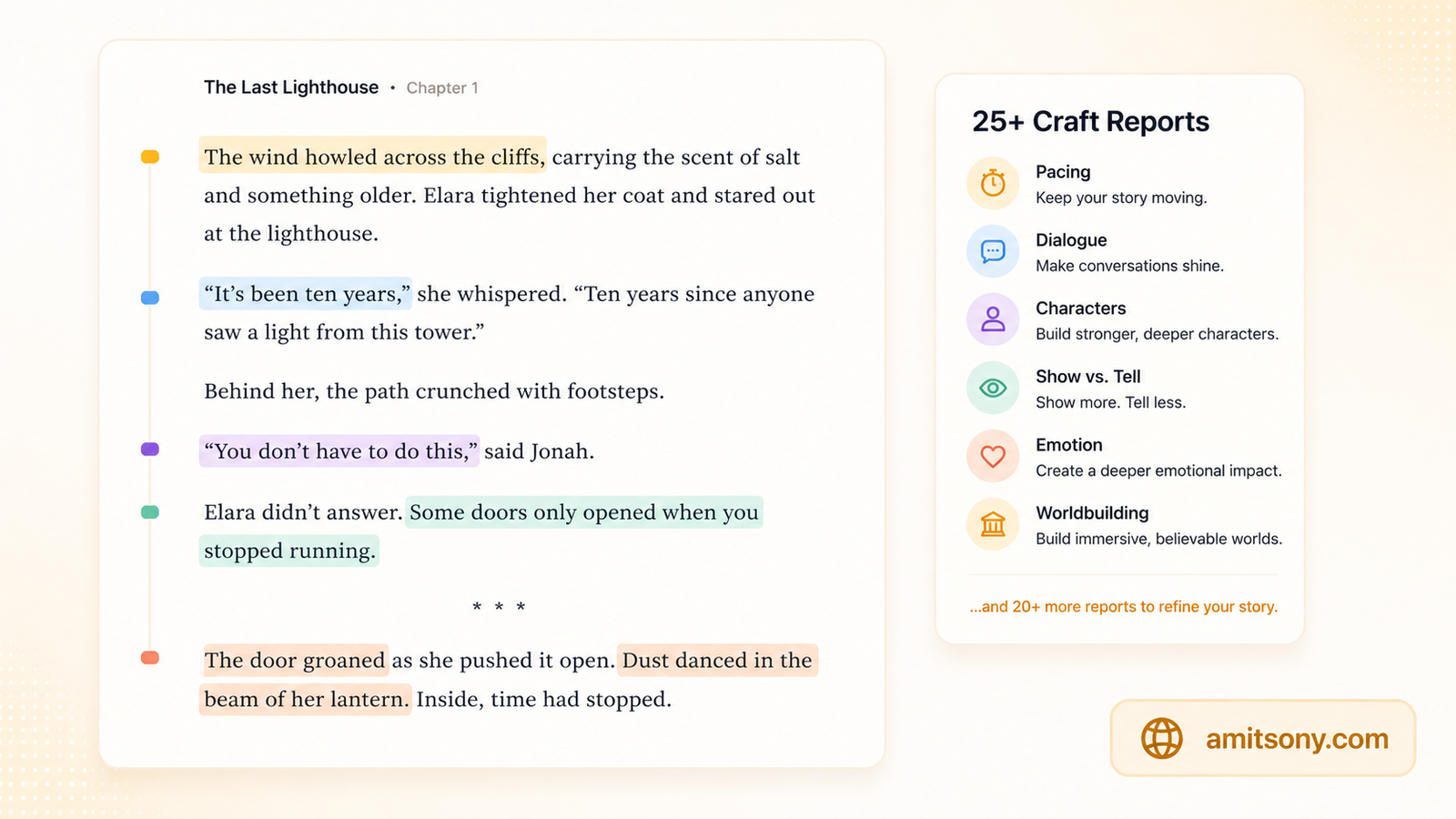
ProWritingAid is the clear winner here, and it isn't close. It offers more than 25 craft-level writing reports covering pacing, sensory detail, dialogue tags, and even comparisons against published novelists, none of which Grammarly offers at all.
Pricing sits in the middle of the market at roughly $10 a month on an annual plan, which lands well below Grammarly Pro while delivering reports that are simply built for narrative writing rather than business emails.
A lifetime license is also available for around $399, a one-time payment that pays for itself compared to Grammarly Pro within about three years if you stay a long-term user.
For novelists, screenwriters, and anyone working on long manuscripts, the depth of feedback on rhythm, repetition, and sentence variety makes ProWritingAid feel purpose-built rather than adapted from a general grammar tool. Grammarly was never designed with fiction in mind, and it shows the moment you run a chapter through both tools side by side.
What is the best Grammarly alternative for multilingual writing?
LanguageTool is purpose-built for this and it shows. The free plan alone checks grammar, spelling, and style across more than 30 languages, which already covers more ground than Grammarly manages with its English-only support.
Paid plans start at roughly $4.99 a month on a two-year billing plan, making it one of the more affordable premium options on this list while still beating Grammarly on raw multilingual accuracy according to independent testing.
For teams or individuals regularly switching between English and a second or third language, this single advantage often outweighs every other feature comparison. A grammar checker that only works in one language simply isn't useful for half the writing many people do.
Ginger Software is a solid secondary option here too. It emphasizes fluency and sentence structure correction across multiple languages and works across most devices, making it a reasonable backup for writers who split time between LanguageTool and a second tool for translation-heavy work.
What is the best Grammarly alternative for students and academic writing?
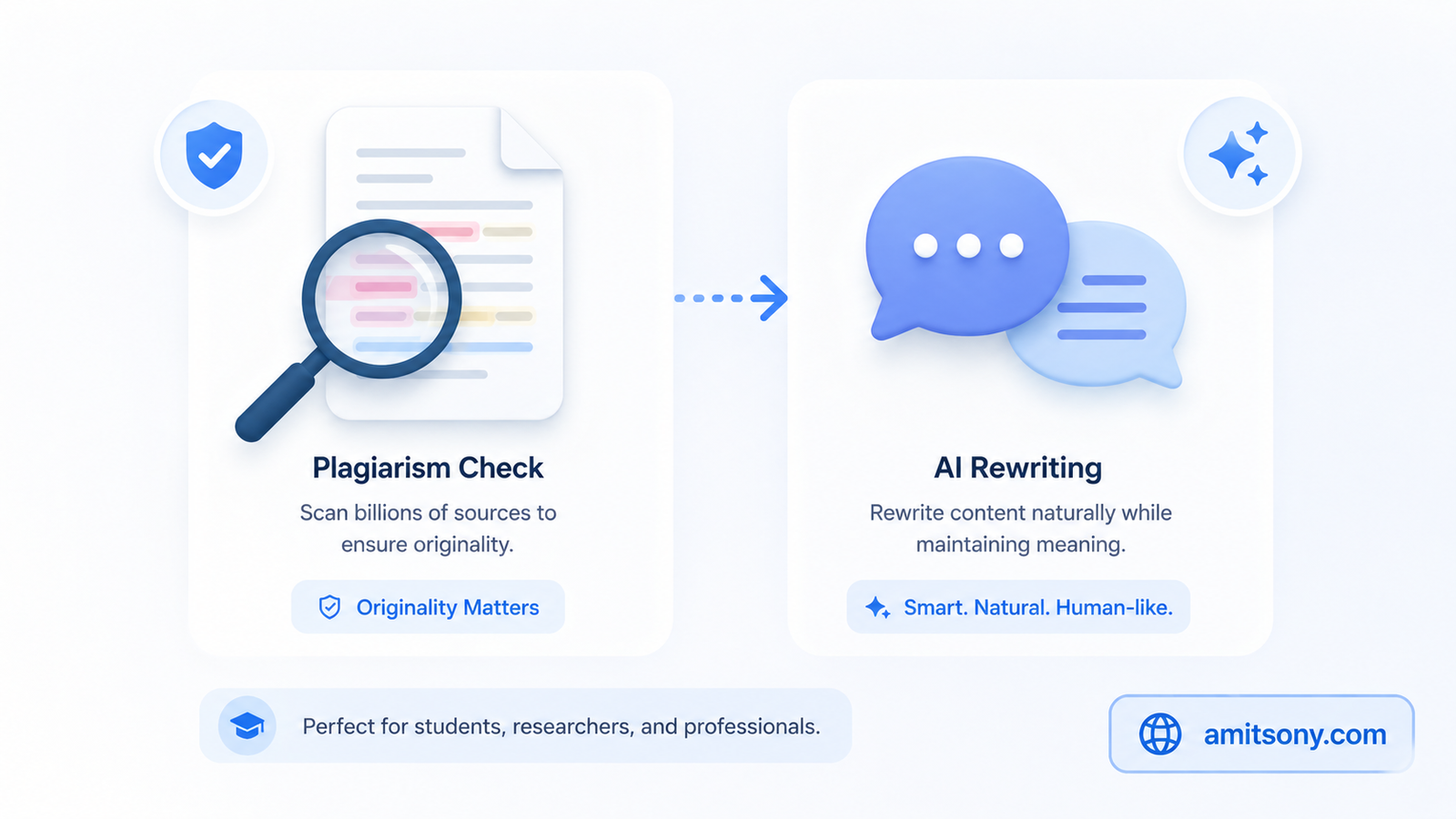
QuillBot doubles as a strong academic pick thanks to its built-in plagiarism checker, which scans submitted text against billions of existing pages and is included even on lower-tier paid plans.
Scribbr takes a completely different approach by offering real human proofreaders rather than pure AI correction. Turnaround can be as fast as three hours, and the service includes human-checked citation formatting, something Grammarly doesn't offer in any form.
This matters more than it sounds. Grammarly is entirely AI-driven, which means it can miss nuanced problems in argument structure or academic tone that a trained human editor catches immediately, especially in discipline-specific writing like law, medicine, or upper-level humanities.
editGPT rounds out the academic-friendly options with a genuinely usable free tier. Unlike Grammarly's free version, which mostly catches basic spelling and grammar, editGPT actively helps rewrite sentences and improve clarity at no cost, which makes it a strong first stop before paying for anything.
For students managing tight budgets, the smart combination is QuillBot's free plagiarism scan paired with editGPT's free rewriting, saving the paid Scribbr proofread for final drafts that actually matter, like a thesis chapter or an admissions essay.
How does QuillBot Premium compare to Grammarly Premium on price?
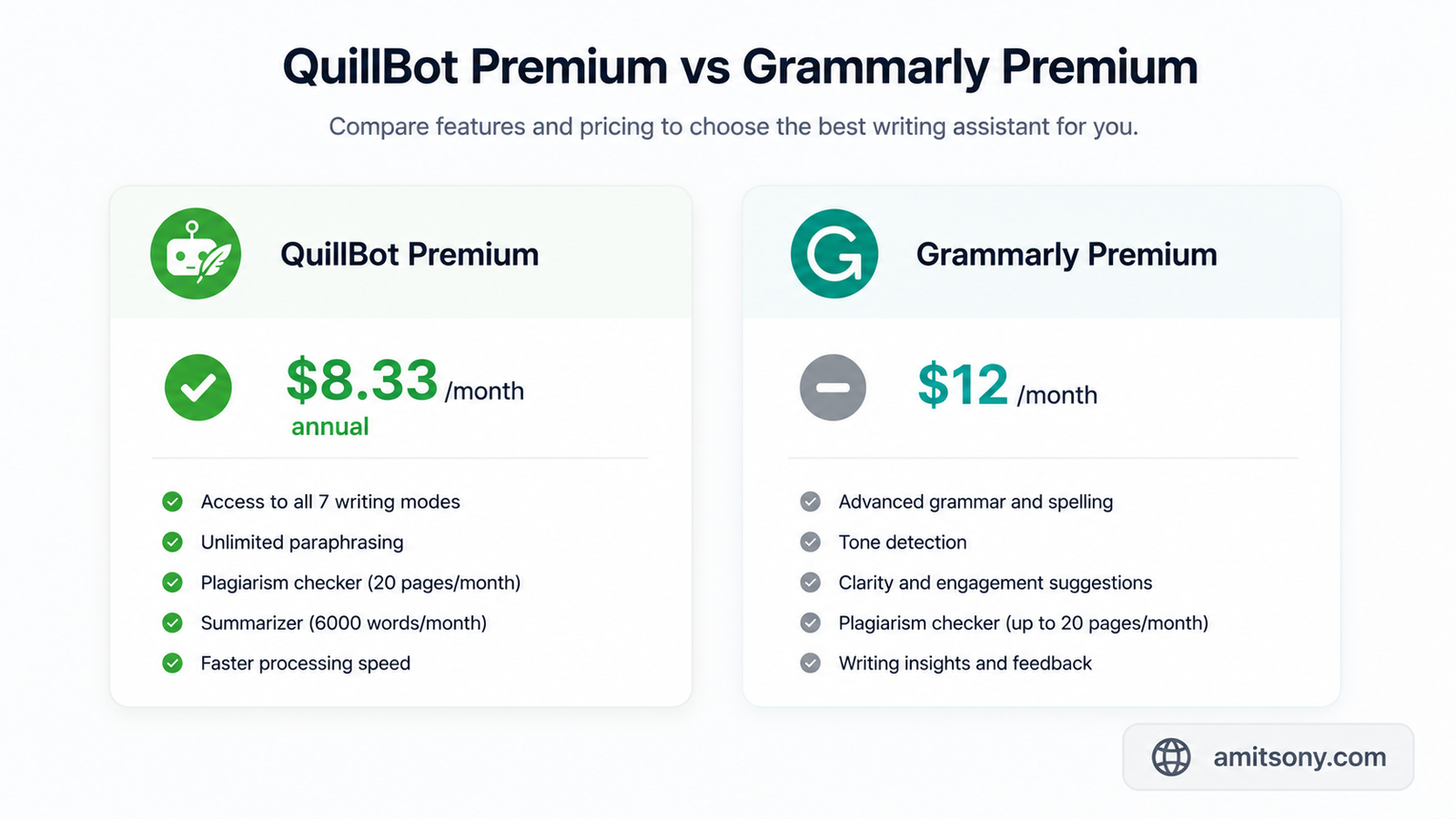
QuillBot Premium runs $9.95 a month on monthly billing, dropping to roughly $8.33 a month when billed annually at $99.95 a year. That's notably cheaper than Grammarly Premium's monthly price of $12 a month, even before factoring in Grammarly's steeper annual jump.
The annual QuillBot plan represents a real savings of close to $140 compared to paying month to month, which is a strong incentive if you already know you'll use the tool regularly throughout the year.
Feature-wise, QuillBot Premium includes unlimited paraphrasing across nine modes, a plagiarism checker covering 20 pages a month, and full grammar checking. It functions more as a rewriting assistant than a deep structural editor, which is worth knowing if your main need is sentence-level polish rather than paraphrasing.
Worth noting: QuillBot's value comes from repeated long-document use, not occasional light edits. If you only rewrite a sentence here and there, the free tier likely covers your needs without any upgrade at all.
Which Grammarly alternative is best for SEO content and marketing teams?
Search Atlas stands out here because it goes far beyond sentence-level correction. It combines content creation, AI rewriting, semantic optimization, and search performance tracking inside one platform, which suits teams publishing long-form content at volume rather than individual writers polishing single documents.
This matters for marketing teams specifically because Grammarly was never built with search visibility in mind. A blog post can be grammatically flawless and still fail to rank, and tools like Search Atlas address that gap directly by tying writing quality to actual search performance data.
For smaller teams or solo content creators who don't need full SEO tooling, Wordtune is a lighter alternative worth considering. It focuses on tone adjustment and rewriting suggestions that read more naturally than Grammarly's often stiff phrasing recommendations, which matters when brand voice consistency is the priority.
The right choice here really depends on scale. A solo blogger likely doesn't need a unified SEO platform, but an agency managing multiple writers and publishing calendars will get far more value from a tool that connects writing directly to ranking outcomes.
Frequently Asked Questions
Is there a Grammarly alternative that's actually free forever?
Yes. QuillBot's grammar checker and LanguageTool's multilingual checker are both free with no expiration date and no credit card required to start.
Which Grammarly alternative is cheapest overall?
LanguageTool is the most affordable premium option at roughly $4.99 a month on a two-year plan, undercutting both Grammarly and most other paid alternatives.
Can I transfer my Grammarly custom dictionary to a new tool?
No. There's no direct export feature from Grammarly, so custom dictionary words need to be manually re-entered in whichever alternative you choose.
Is ProWritingAid worth it for non-fiction writers too?
Yes, though its strongest reports are built for fiction. Non-fiction writers still benefit from its readability and structure analysis, just with less relevant craft-specific feedback.
Do any Grammarly alternatives offer human proofreading?
Yes. Scribbr offers real human proofreaders with turnaround as fast as three hours, which no fully AI-based tool, including Grammarly, can match.
What's the best all-around replacement if I want just one tool?
ProWritingAid is the most well-rounded single replacement for most writers, covering grammar, style, and structural feedback in one subscription.