
Perplexity is still solid for cited web search, but it's no longer the only option. ChatGPT and Gemini now cover broader research needs, Claude handles long documents better, Kagi gives private ad-free search, and Consensus or Elicit beat all three for peer-reviewed academic work. Genspark is best if you want a ready-made report instead of a chat answer.
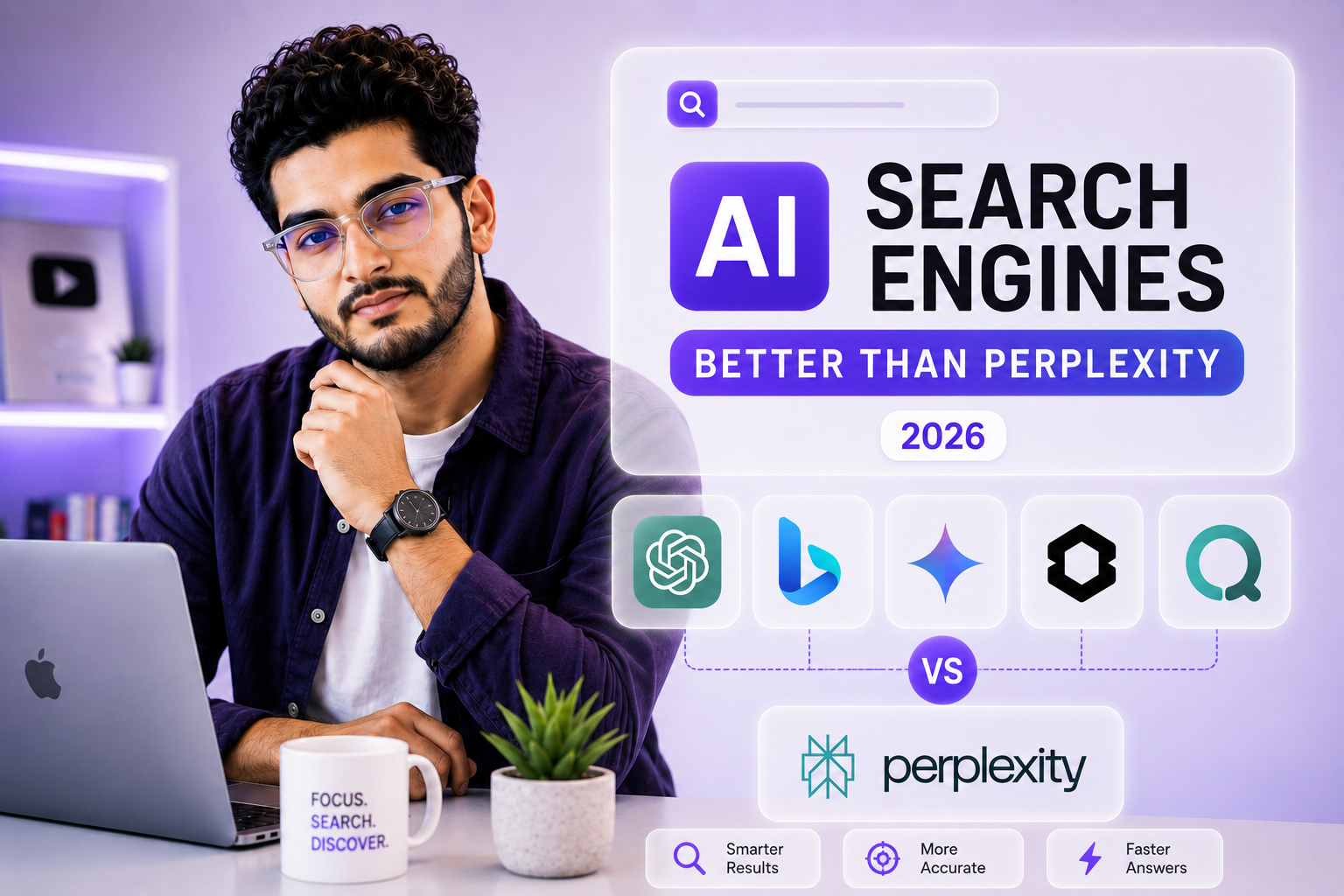
Perplexity made cited AI answers feel normal. Type a question, get a clean response with sources attached, skip the ten blue links entirely. It is still genuinely useful in 2026. But the free tier runs out fast, Perplexity Pro now costs close to ₹17,000 a year, and the answers can still get confidently wrong on niche topics.
That is why so many people start searching for something else. The good news is the AI research space has grown up a lot since 2023. There is now a tool built for almost every specific gap Perplexity leaves open, whether that's privacy, academic rigor, document depth, or speed. This guide breaks down the best Perplexity alternatives for research in 2026, what each one actually does well, and which one fits your situation.
Why Look for a Perplexity Alternative in 2026?
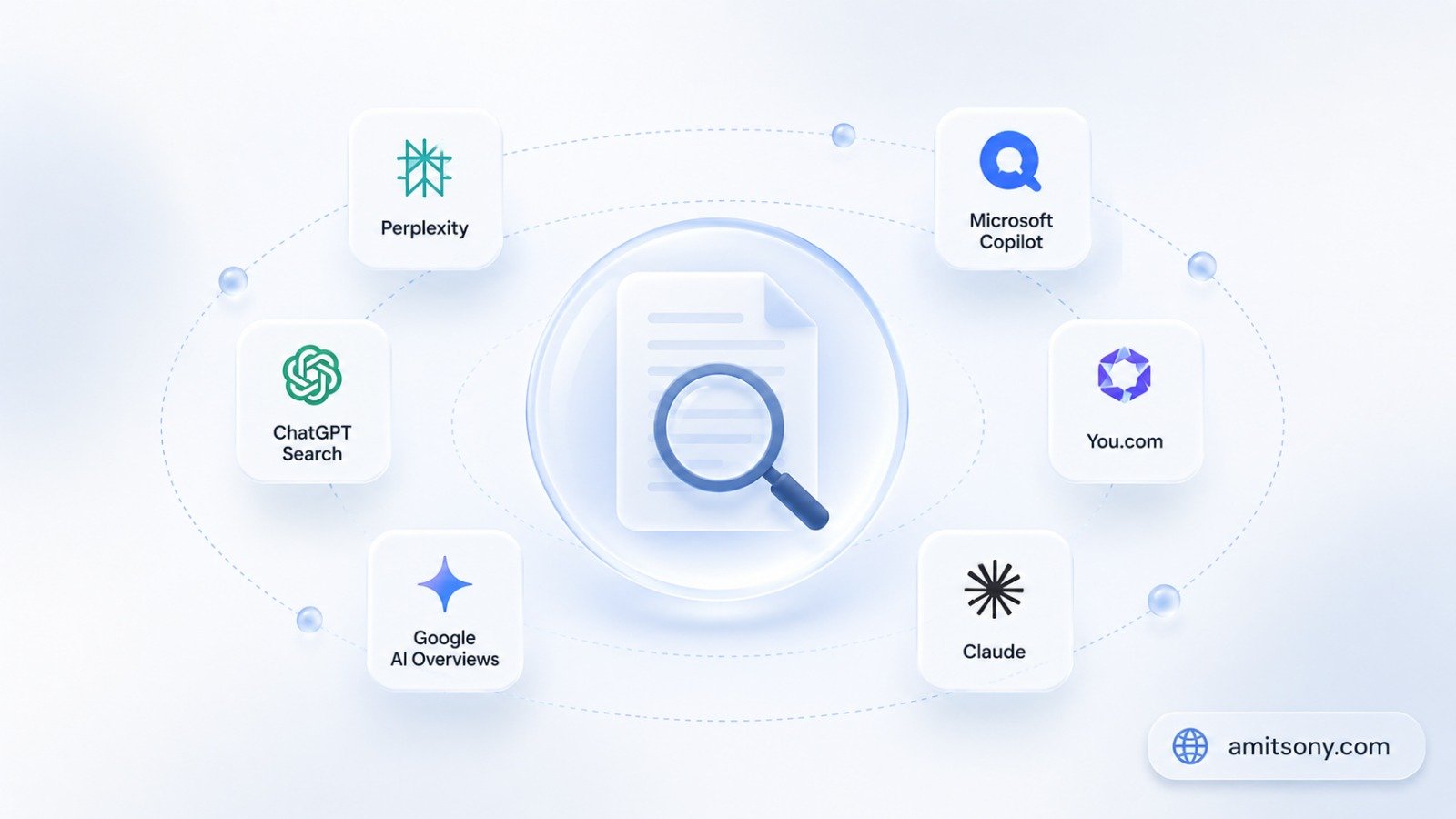
Perplexity's core idea, an AI that answers with citations, isn't special anymore. Every major chatbot does this now. ChatGPT searches the web, Gemini runs full AI Mode, and Claude fetches pages and cites them inline.
When the differentiator becomes a checkbox feature, the real question changes. It stops being which tool has citations and becomes which tool actually fits the rest of your work.
Cost is the second reason. Perplexity Pro runs $20 a month, which lands close to ₹1,700 to ₹2,000 depending on conversion and tax. Perplexity Max, the power user tier, costs $200 a month. That's steep for something that started as a free way to skip Google.
The third reason is depth. Perplexity is built for quick, sourced answers. It is not built for reading a 40 page PDF end to end, running a systematic literature review, or turning research straight into a finished slide deck. Different jobs need different tools.
Which AI Search Tool Replaces Perplexity Best for Everyday Research?
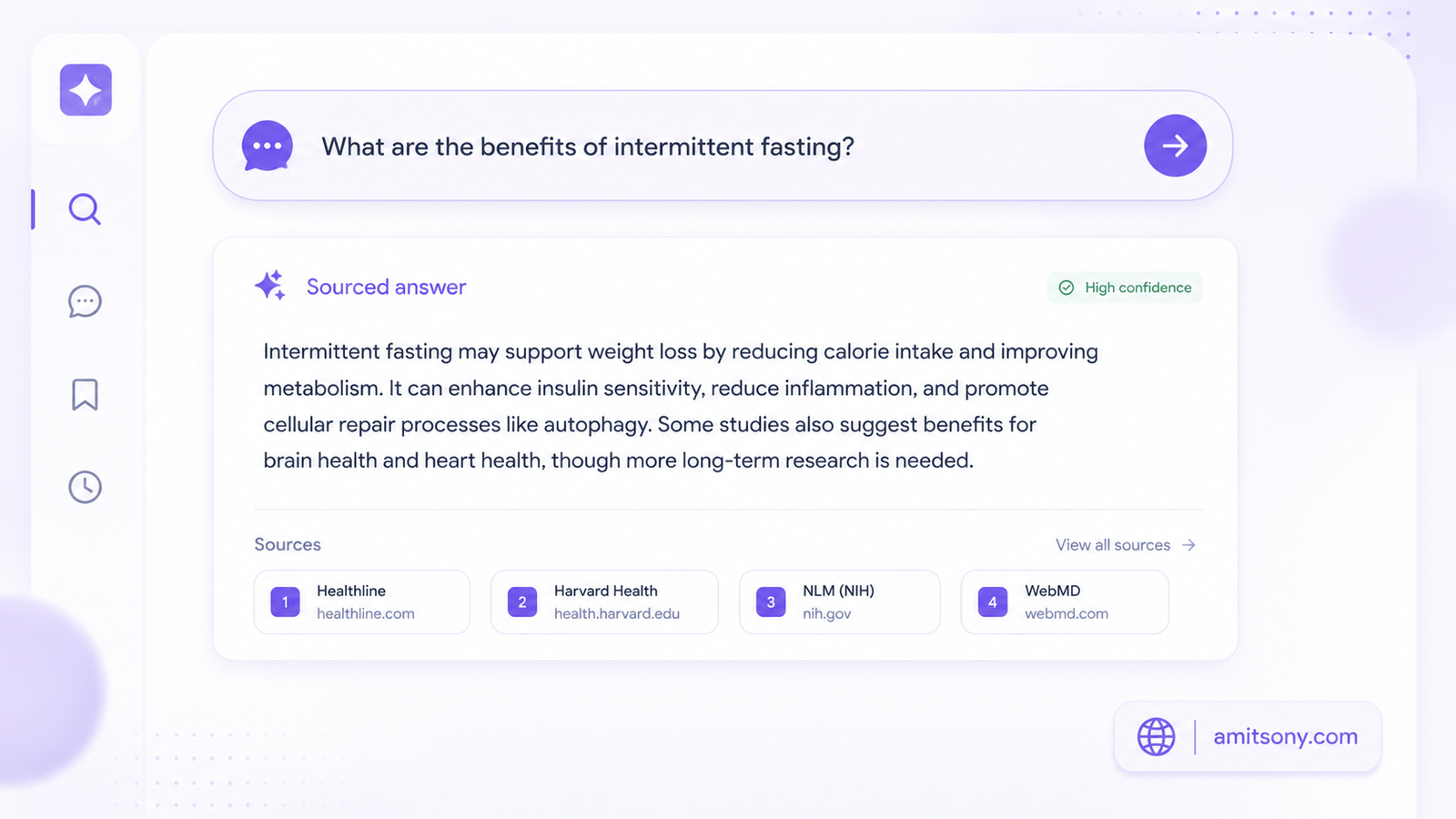
ChatGPT with search is the most direct stand in for Perplexity. Ask a question and it browses the web, reads pages, and writes a sourced answer, the same basic loop Perplexity runs.
The difference shows up everywhere around that loop. ChatGPT also drafts documents, writes code, generates images, and remembers context from earlier chats. Perplexity stays narrowly focused on search.
Pricing sits at the same $20 a month as Perplexity Pro. In India that shows up as roughly ₹1,999 a month at checkout, and UPI payment is supported, which Perplexity does not offer locally. There is also a lighter Go plan around ₹399 a month for people who don't need the full Plus tier.
Best for: students and professionals who want one subscription that handles search, writing, and everyday tasks together instead of juggling separate tools.
Is Google Gemini a Better Research Tool Than Perplexity?
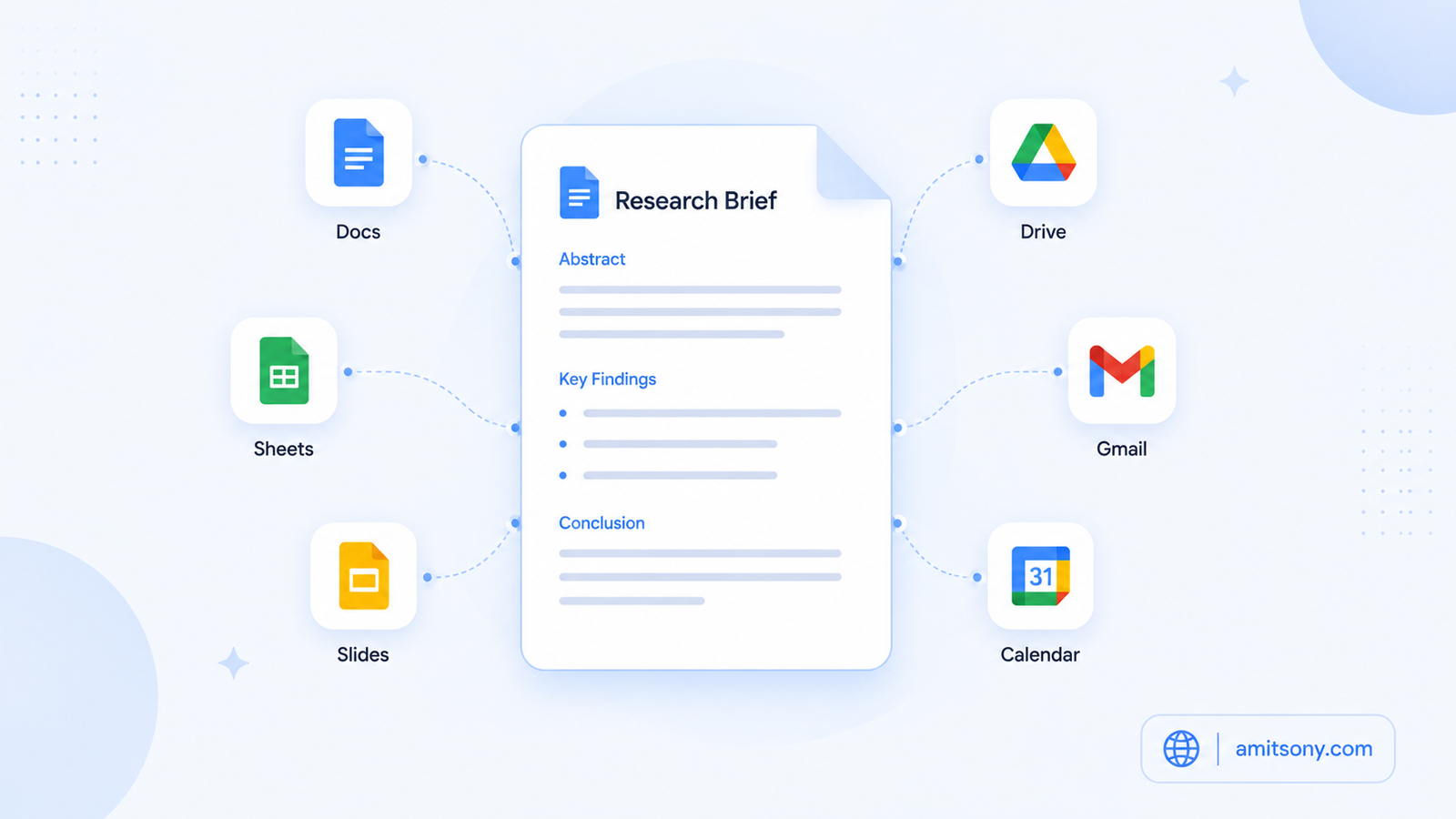
Google Gemini For a lot of researchers, yes. Gemini's search grounding pulls directly from Google's own index, so freshness and coverage tend to be stronger than what Perplexity returns.
The bigger edge is integration. If your research already lives in Google Docs, Sheets, or Gmail, Gemini reads and writes into those same files without you copying anything across tabs.
Google AI Pro costs $19.99 a month, which lands around ₹1,950 in India with the local tax already built in. New subscribers regularly get fifty percent off the first year, bringing the effective cost closer to ₹975 a month.
Best for: anyone already living inside the Google ecosystem who wants research to flow straight into a document instead of staying trapped in a chat window.
Why Do Researchers Choose Claude Over Perplexity for Long Documents?
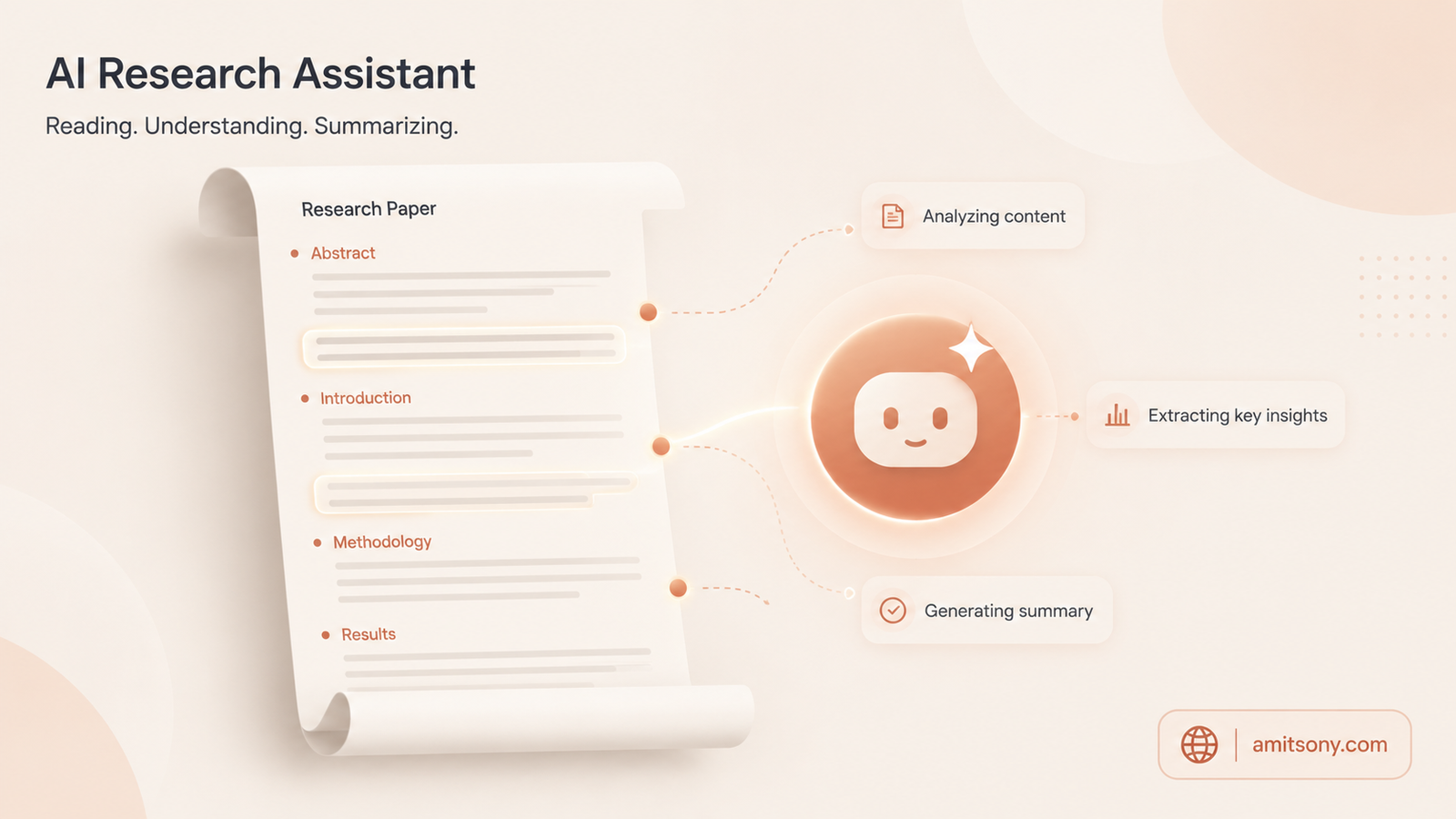
Claude Perplexity is built to search the open web. Claude is built to reason carefully over whatever you hand it directly.
Upload a 100 page report, a contract, or a stack of research papers, and Claude works through the whole thing without losing track of earlier sections. Hallucination rates stay noticeably lower when Claude reasons over material you actually provided, instead of guessing from a quick web crawl.
Claude Pro costs $20 a month. Indian users pay more in practice, closer to ₹2,240 a month, since Anthropic still bills in dollars with no UPI support, and Indian card transactions add 18% GST plus a small forex fee on top.
Best for: anyone reasoning through their own documents rather than searching the open web for brand new information.
What Is the Best Private, Ad-Free Alternative to Perplexity?
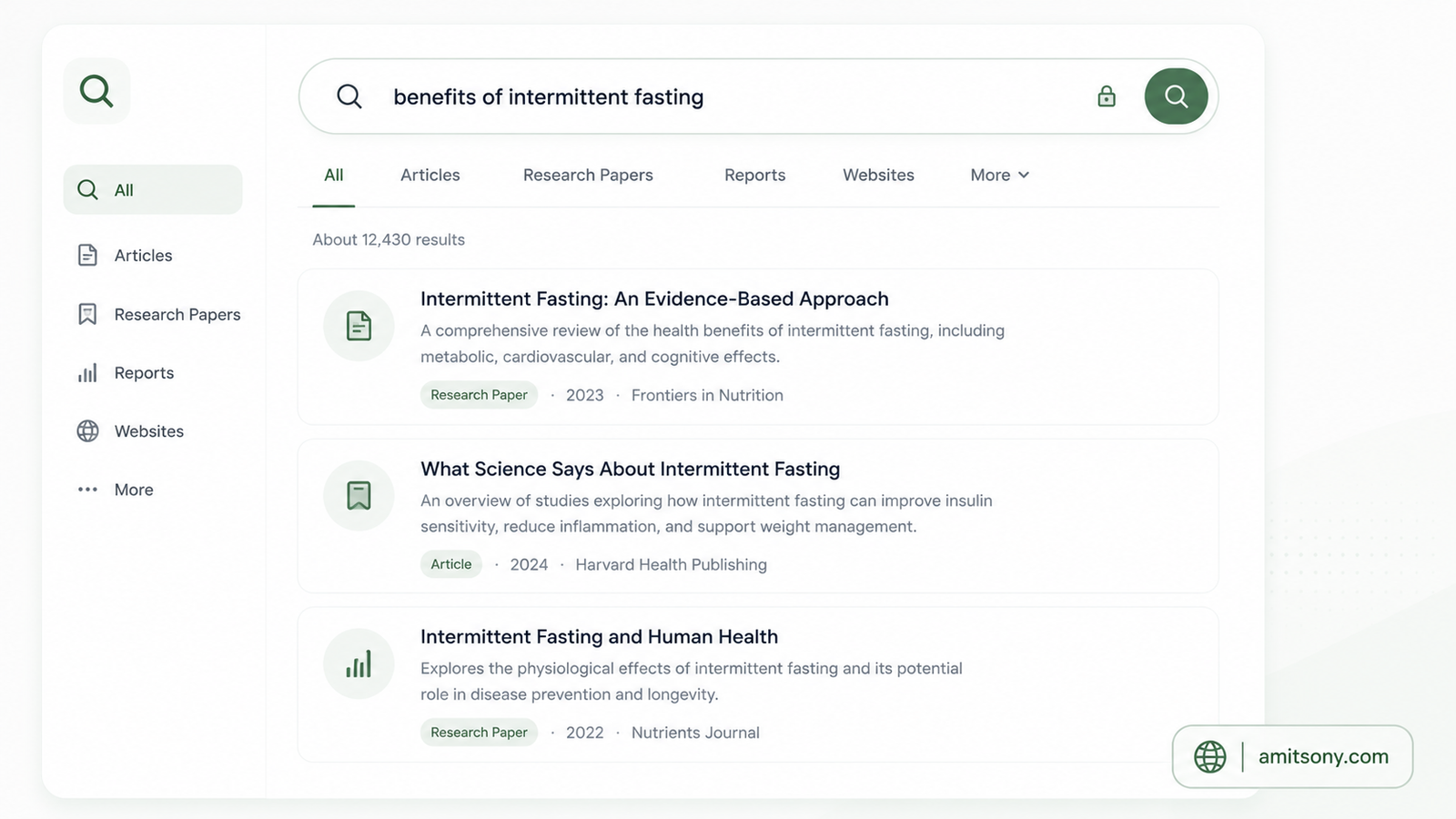
Kagi is the clearest answer if your priority is privacy rather than features.
Kagi runs no ads and doesn't log searches for advertising. Subscribers fund the product directly, so there's no incentive to optimize results around sponsored content the way ad funded search usually does. Kagi Assistant also pulls from Claude, GPT, and Gemini models depending on the plan, which gives it some of Perplexity's chat style research feel.
The Starter plan costs $5 a month for 300 searches. Professional runs $10 a month for unlimited searches, and Ultimate, at $25 a month, adds the full Kagi Assistant research mode. There's no permanent free tier, only a short trial of about 100 searches.
Best for: privacy conscious users willing to pay a small fee specifically so they aren't the product being sold.
Which Tools Are Best for Academic and Scientific Research?
Perplexity searches the open web, which mixes blogs, forums, and marketing pages in with real studies. For anything that needs peer reviewed evidence specifically, two tools handle this far better.
How Does Consensus Help With Evidence-Based Answers?
Consensus searches only peer reviewed literature, more than 200 million papers, and skips the open web entirely. Ask a yes or no research question and its Consensus Meter shows what percentage of studies actually support the claim, instead of just summarizing whichever source sounds most confident.
The free plan includes 10 Pro Analyses and 10 Study Snapshots every month, refreshed monthly rather than burned through once and gone. Premium costs around $8.99 a month, and the Pro tier with Deep Search runs $15 a month. Students get roughly 40% off with a valid academic email.
Why Use Elicit for Systematic Literature Reviews?
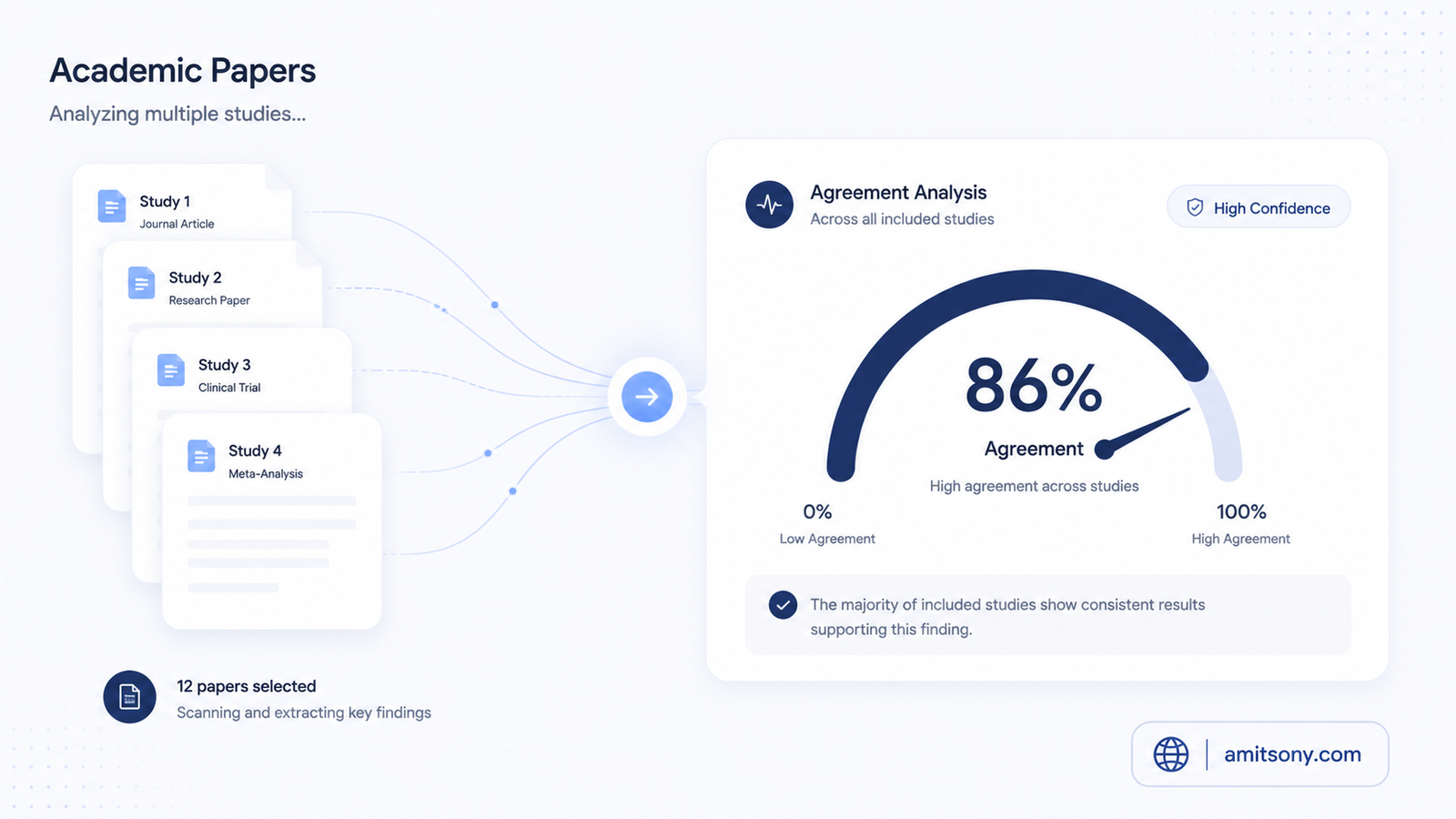
Consensus and Elicit handles the heavier version of the same job: a full systematic review across 138 million papers and over half a million clinical trials. It extracts findings into structured tables instead of one written summary, which matters a lot when comparing dozens of studies side by side.
The free Basic plan gives 5,000 one time credits, useful for testing things out. Serious researchers usually move to Plus, priced near $10 a month billed annually, with a higher Pro tier around $49 a month for bulk extraction work.
Best for: academics, clinicians, and graduate students who need citation backed evidence rather than a general web summary.
Can Genspark Turn Research Into a Finished Report Instead of a Chat?
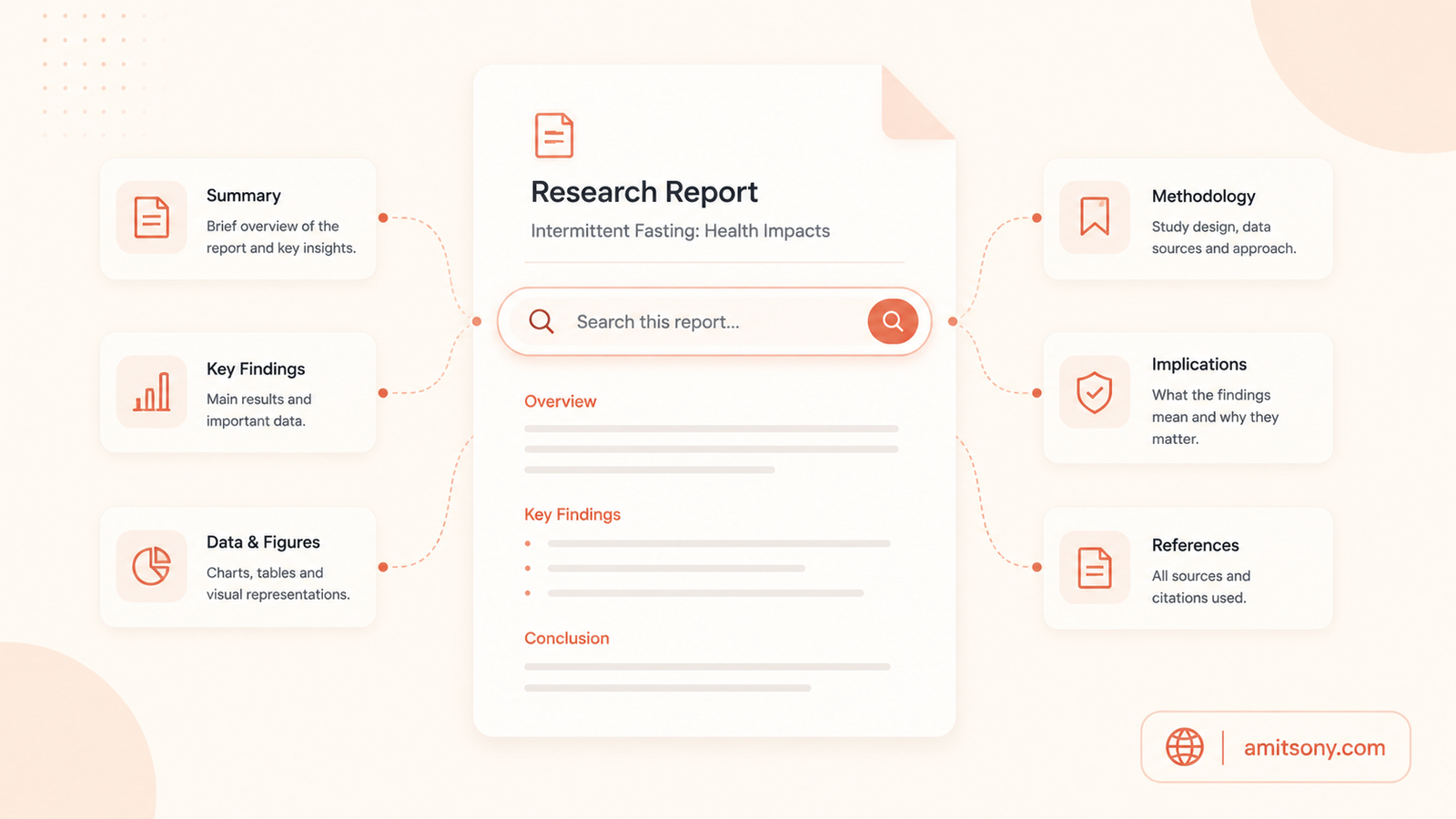
Genspark Yes, and this is its whole pitch. Instead of one chat reply, Genspark splits your question across several specialized agents and assembles the results into a Sparkpage, a structured report with citations, sections, and follow up options built right in.
It genuinely saves time when the goal is a finished deliverable, like a competitive scan or a market summary, rather than a quick fact check.
The free plan gives 100 to 200 credits a day, enough for a handful of simple tasks. The Plus plan costs around $20 to $25 a month for 10,000 monthly credits, and heavy users frequently report burning through that allowance within two to three weeks once they lean on video or slide generation.
Best for: content creators, marketers, and students who want research delivered as a usable document rather than a chat transcript.
Is Grok Worth Using for Real-Time Research?
Grok For one specific job, yes. Grok has direct access to live conversation on X, which makes it genuinely faster than Perplexity at picking up breaking news, public sentiment, and real time chatter the moment it happens.
Outside that specific strength, Grok behaves like a general purpose chatbot rather than a dedicated research engine.
Standalone SuperGrok pricing sits at $30 a month, while access bundled through X Premium Plus runs closer to $40 a month. A heavier SuperGrok tier for power users climbs to $300 a month.
Best for: anyone tracking live events, public reaction, or social sentiment in real time rather than doing slow, careful academic research.
Should You Use NotebookLM Alongside Perplexity Instead of Replacing It?
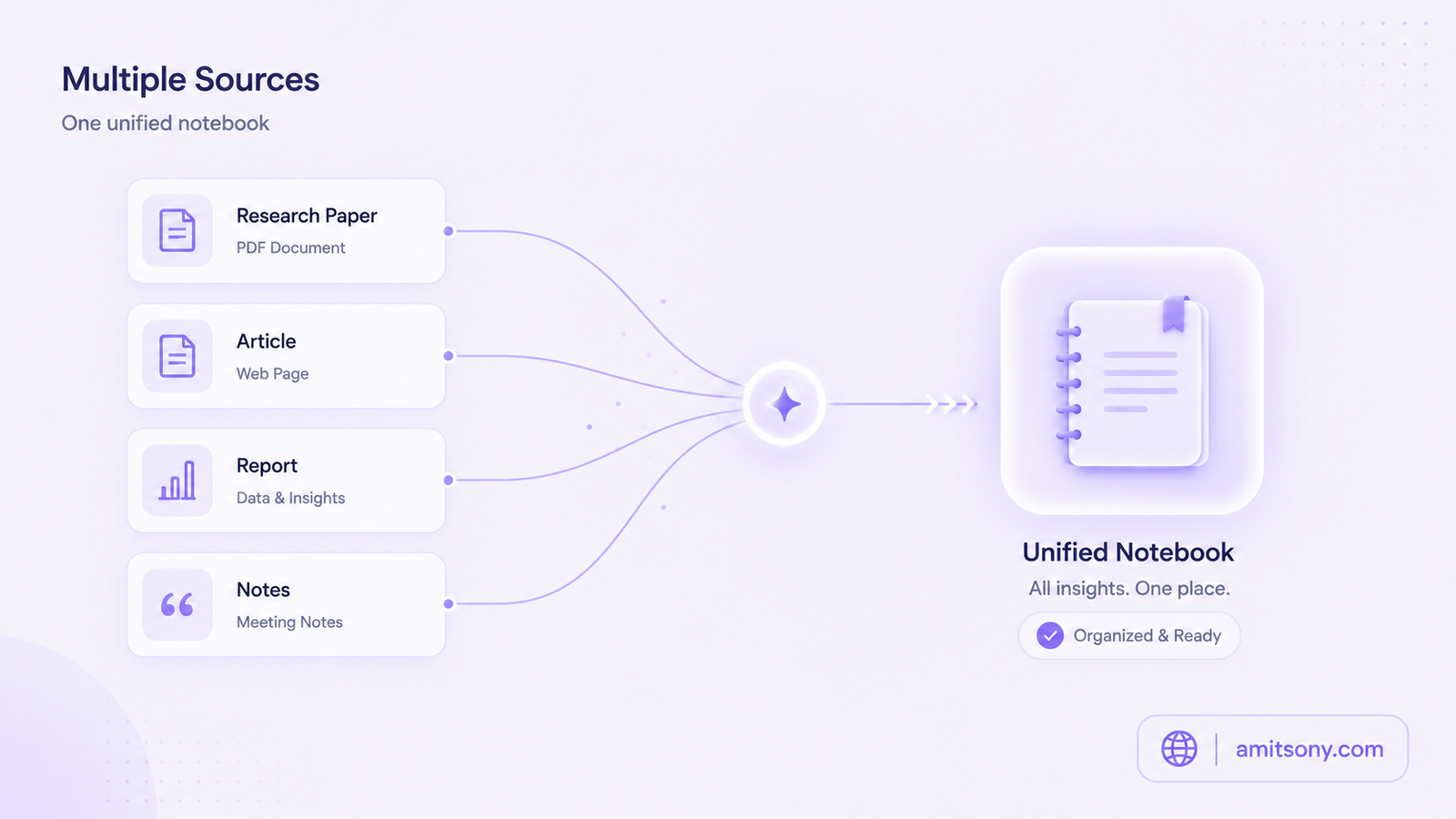
NotebookLM Honestly, alongside. NotebookLM is built for a narrower job than Perplexity, and the two end up complementing each other rather than competing head on.
Upload your own PDFs, transcripts, or notes, and NotebookLM answers questions using only those sources. Nothing outside what you uploaded gets pulled in, so there's close to zero risk of it inventing a fact from some random corner of the internet.
It's free to use with a personal Google account, with higher usage limits unlocked for people already paying for Google AI Pro.
Best for: turning your own research material into a question and answer tool, after Perplexity or another engine has already gathered the raw sources.
How Do These Perplexity Alternatives Compare on Price in 2026?
Most mainstream tools have settled around the same number. ChatGPT Plus, Google AI Pro, Claude Pro, and Perplexity Pro all sit close to $20 a month, give or take a dollar.
Where they actually diverge is local billing. ChatGPT and Gemini both offer INR pricing with UPI support, landing near ₹1,999 and ₹1,950 a month. Claude has no India specific billing yet, so Indian users effectively pay closer to ₹2,240 a month once GST and forex charges are added on top.
The specialist tools break this pattern entirely. Kagi starts at just $5 a month, Consensus starts under $9 a month, and Elicit's free tier alone can carry a casual researcher for months without paying anything at all.
The smartest approach is rarely picking one tool to replace Perplexity completely. Most serious researchers in 2026 run a free tier or two alongside a single paid subscription, matched to the specific gap they keep running into.
Frequently Asked Questions
Is Perplexity Pro still worth paying for in 2026?
For quick, cited web answers, yes. For deep document analysis or peer reviewed research, a specialist tool usually does the job better.
What is the best free Perplexity alternative?
NotebookLM is completely free for personal use, and Consensus offers a generous monthly free tier for academic questions.
Which Perplexity alternative is best for academic research?
Consensus for quick evidence based answers, Elicit for full systematic reviews with structured data extraction.
Can I switch from Perplexity to ChatGPT or Gemini without losing search quality?
Yes. Both now include live web search with citations, matching Perplexity's core feature at roughly the same price point.
Is Claude better than Perplexity for research?
It depends on the task. Claude is stronger for reasoning over documents you provide, while Perplexity is faster for open web fact finding.
Does Kagi work the same way as Perplexity?
Not exactly. Kagi is primarily a private, ad-free search engine with an optional AI assistant layered on top, not a chat-first research tool.