
You can sell AI prompts in 2026 through marketplaces like PromptBase, Gumroad, and Etsy, earning anywhere upto $50 to $10,000+ a month. The real money comes from niche, tested prompt packs sold to people who need specific business outcomes, not generic one-off prompts.

Most people open ChatGPT, type something vague, and settle for a mediocre answer. They don't know it could be better. That gap between average prompting and expert prompting is now a real product category.
Selling AI prompts means packaging your prompting skill into something someone else can buy and reuse instantly. No coding, no inventory, no client calls required if you don't want them. In 2026, individual sellers with focused prompt packs are routinely pulling in $2,000 to $10,000 a month from a relatively small, well-targeted audience.
What does it actually mean to sell AI prompts?
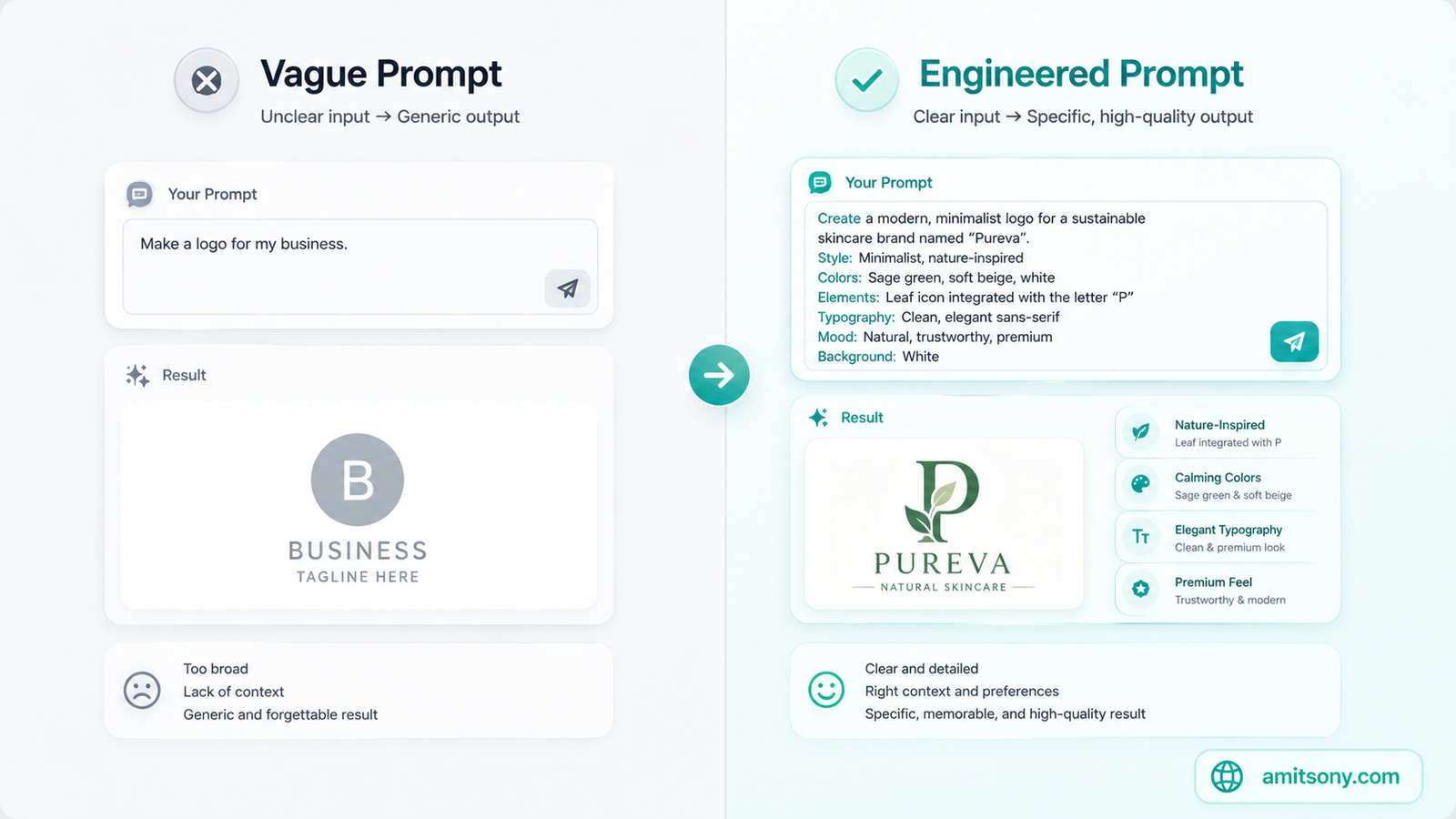
An AI prompt is a written instruction that tells a model like ChatGPT, Midjourney, or Claude exactly what to produce and how. A vague prompt gets a vague result. A well-engineered one gets a specific, usable output every time.
Selling prompts means you write, test, and refine these instructions until they reliably produce a great result, then package them as a digital product. A buyer pays once, downloads the prompt, and gets your tested expertise without doing the trial and error themselves.
This works because most people are bad at prompting, not because the technology is hard to access. Anyone can open an AI tool for free. Very few people know how to get consistently excellent output from it. That skill gap is exactly what you're monetizing.
The category has matured fast. Prompts now exist for text generation, image generation, code scaffolding, document creation, and full multi-step workflows. Buyers range from solo freelancers to small business owners who just want faster, better results without learning prompt engineering themselves.
Where can you actually sell AI prompts in 2026?
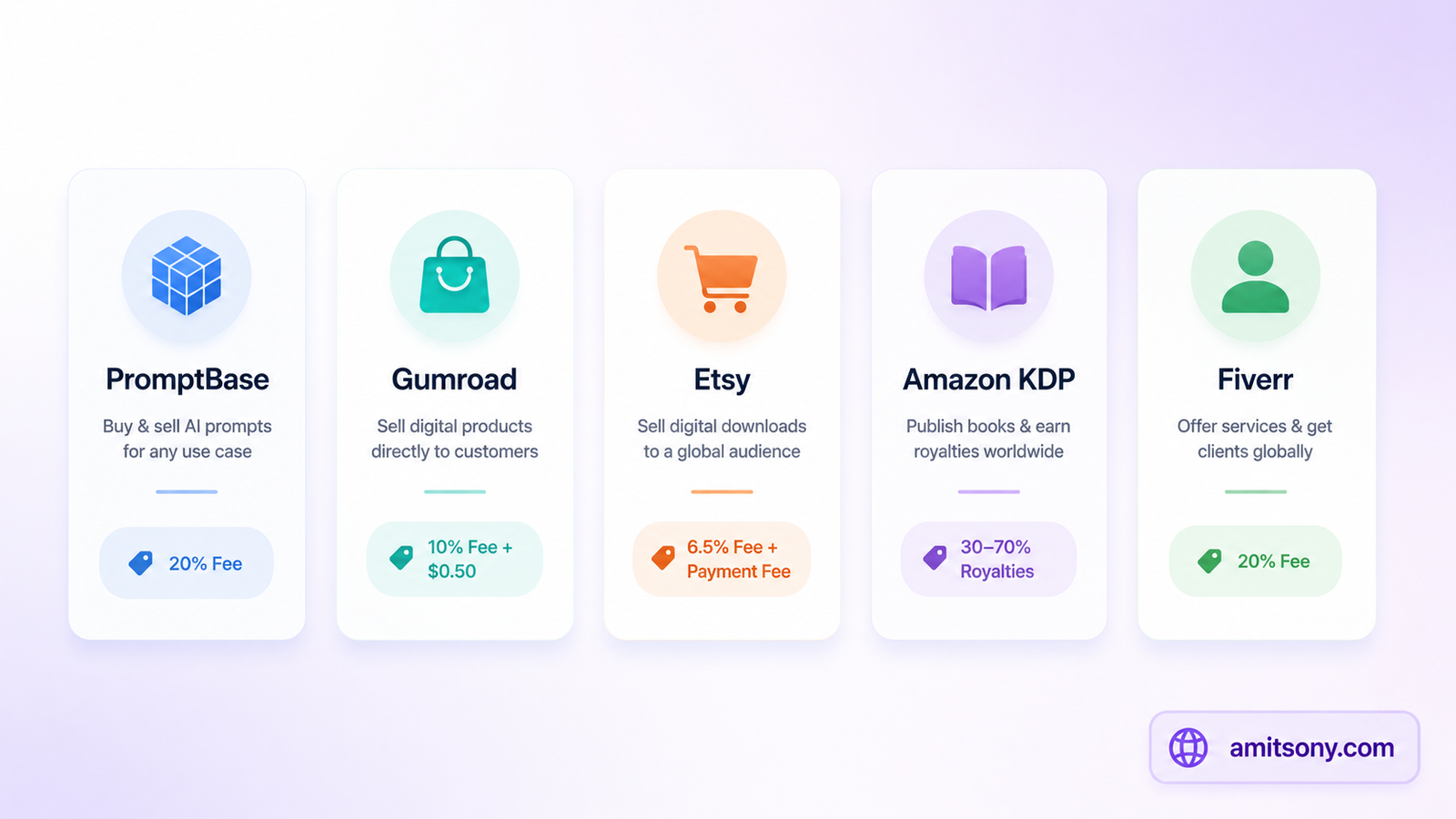
PromptBase remains the dedicated marketplace built specifically for this. It covers ChatGPT, Midjourney, DALL-E 3, Claude, Stable Diffusion, and Gemini, giving sellers access to the widest possible buyer pool in one place. Sellers keep an 80% revenue share, one of the most generous splits of any digital product platform, and listing is free.
Gumroad works best once you have some audience, even a small one. It charges a flat 10% fee on direct sales, rising to 30% if a sale comes through its internal Discover marketplace. Gumroad doesn't drive much organic traffic on its own, so plan to bring buyers via email or social media rather than relying on platform discovery.
Etsy is the opposite trade-off. Its effective fees run slightly lower than Gumroad's at most price points, but the real draw is its 90 million plus active buyer base. New sellers without an audience often start here because Etsy's search traffic does the discovery work that Gumroad can't.
Amazon KDP is a less obvious but genuinely strong option. Bundling 50 to 100 tested prompts into a structured eBook around one use case, like business marketing or recruiting, taps into Amazon's massive existing customer base without you needing any following at all.
Fiverr flips the model into a service. Instead of selling a fixed prompt pack, you build custom prompts to order. A client says "I need a cold outreach prompt for SaaS founders" and you deliver exactly that, usually for more money than a packaged product would earn per sale.
Most serious sellers don't pick just one. They cross-list a core prompt pack on PromptBase and Etsy for discovery, while building a Gumroad page and email list for the direct, higher-margin sales that come later.
Which types of prompts actually sell?
Specificity is the single biggest factor separating a prompt that sells from one that doesn't. A generic "write me a blog post" prompt has zero value. A prompt tuned for one exact use case, with structure and constraints built in, is worth real money.
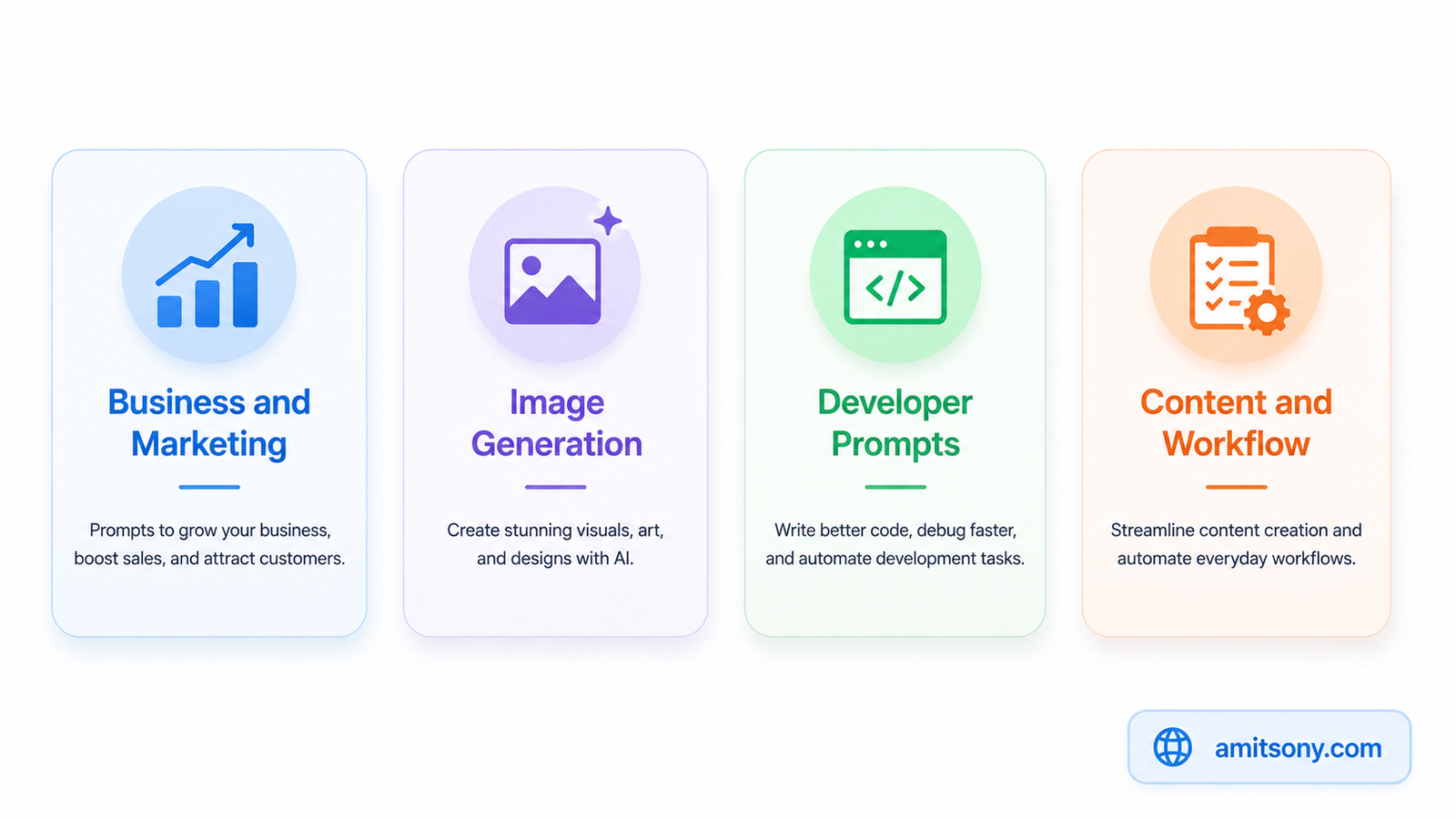
Business and marketing prompts consistently perform best. Cold email sequences, ad copy generators, and sales follow-up frameworks sell well because the buyer can tie the output directly to revenue. A prompt that helps someone close more deals justifies a higher price than one that just saves time.
Image generation prompts for Midjourney and DALL-E remain a strong category, especially around product photography and architectural visualization. A well-tuned prompt that produces a clean, studio-lit product shot on a white background can sell repeatedly because the buyer reuses it for every new product they launch.
Developer-focused prompts are a genuinely underexploited niche. Framework-specific scaffolding prompts for Next.js or Django, and documentation generators for README files and API docs, sell into a technical audience that pays more and buys for professional use rather than curiosity.
Content and workflow prompts built around recruiting, customer support macros, and content briefs do well in 2026 because they standardize work that used to be inconsistent across a team. Companies pay for this because a better prompt reduces wasted hours, not because it's novel.
The mistake most new sellers make is going broad. A pack of "100 ChatGPT Prompts for Everything" undersells every individual prompt inside it. A pack of "20 Cold Email Prompts for B2B SaaS Founders" sells at a premium because the buyer knows immediately it was built for them.
How do you write a prompt that's actually worth buying?
A sellable prompt needs three things baked in: a defined role, a specific task, and a clear output format. Most failed prompts are missing at least one of these.
Compare "write a blog post" with "Act as a senior content strategist. Write a 1500-word blog post for a D2C skincare brand targeting women aged 25 to 40. Include an emotional hook in the opening, three clear subheadings, and end with one direct call to action. Output only the final article." The second version removes every bit of guesswork for the buyer.
Test before you list. Run your prompt 8 to 10 times across different inputs and check the output stays consistently strong. A prompt that works once by luck will generate refund requests and bad reviews the moment a real buyer tries it on their own data.
Include a sample output with every listing. This is the single highest-converting element of a prompt listing. Buyers aren't purchasing a sentence, they're purchasing proof that the sentence works, so show them the actual result before they pay.
Update prompts as models change. A prompt tuned for an older model version can quietly degrade in quality when the underlying AI updates. Sellers who revisit their best-performing listings every few months and re-test them keep their ratings high and their sales steady.
How much can you realistically earn selling AI prompts?
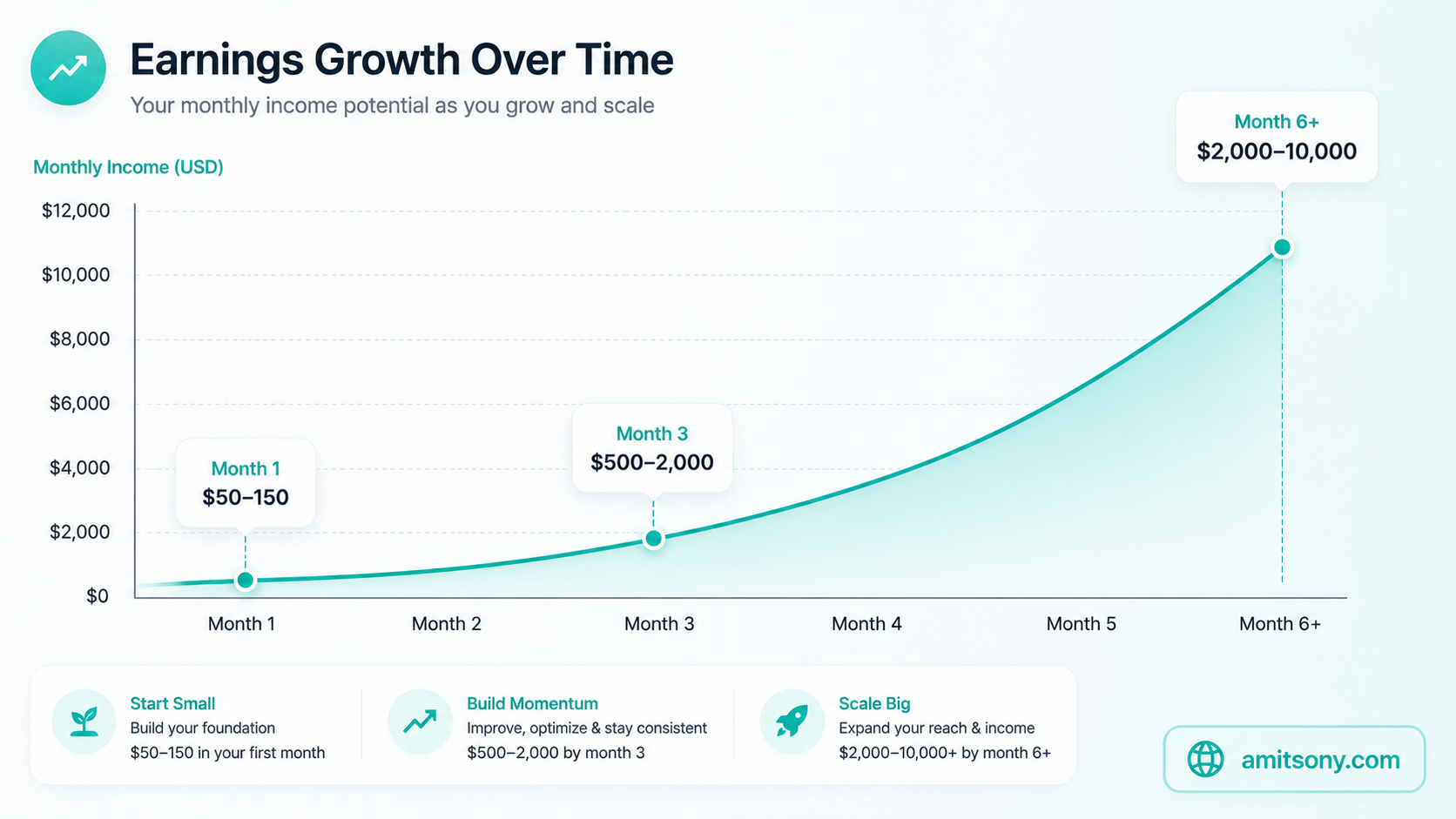
The honest range is wide, and most of that spread comes down to niche focus and consistency, not luck.
First 30 days: A beginner who lists 15 to 20 tested, niche-specific prompts on PromptBase can realistically expect a first sale within two to four weeks and total earnings of $50 to $150 in that window. This stage is mostly about building a catalog and collecting initial reviews.
Months two to four: Sellers who add a Gumroad or Etsy bundle alongside their marketplace listings, and who start building an email list from free samples, commonly reach $500 to $2,000 per month. This is also when cross-listing across two or three platforms starts compounding rather than just adding up.
Month six and beyond: Creators with a focused niche, a tested 50-plus prompt library, and at least one bundled product priced between $19 and $49 routinely land in the $2,000 to $10,000 per month range. The top end of this group often runs a subscription model alongside one-off sales, since a customer who buys a $29 pack and converts to a recurring offer is worth significantly more across a year than a single purchase.
Specialist sellers who build advanced, multi-generator prompts for a specific creative or technical niche report some of the highest per-unit prices in the market, with individual prompts selling for $40 to $60 when the buyer can clearly see the prompt produces something most people couldn't replicate on their own.
The thread connecting every income bracket here is the same: niche focus, real testing, and proof of output beat volume every single time.
How do you grow a prompt-selling business beyond a single platform?
Relying on one marketplace caps your growth and exposes you to risk if that platform changes its fees or algorithm overnight. The sellers earning consistently in 2026 treat platforms as one channel among several.
Build an email list from day one. Offer one strong prompt free in exchange for an email signup. When you launch a new pack, that list converts immediately because they already trust your work, instead of you starting from zero traffic every time.
Bundle prompts into themed packs. Twenty to fifty related prompts sold together as one product, priced between $19 and $49, consistently outsells the same prompts listed individually. The bundle format also signals more value, which supports a higher price point without extra production cost.
Add a service layer. Custom prompt development, light consulting, or a small paid community around your prompt packs can multiply per-customer revenue several times over compared to a single download. A customer who buys a $29 pack and later joins a $19 a month subscription is worth far more across a year than the one-time sale alone.
Use social media to demonstrate, not just promote. Short videos showing a weak generic prompt failing next to your tested version performing well are some of the highest-converting content in this space right now, especially on platforms favoring short-form video. Links in your bio convert directly because the proof is right there in the post.
Cross-list deliberately. Use PromptBase and Etsy for discovery where buyers are already searching, and Gumroad or your own checkout page for the higher-margin direct sales once you've built a following. None of these platforms require exclusivity, so there's no real downside to running two or three at once.
Frequently Asked Questions
Do I need coding skills to sell AI prompts?
No. Writing strong prompts is a language and structuring skill, not a technical one. Platforms like PromptBase, Gumroad, and Etsy require zero code to list and sell.
How much does PromptBase take from each sale?
Sellers keep an 80% revenue share, meaning PromptBase takes 20%. This is among the most generous splits of any digital product marketplace.
What's the difference between Gumroad and Etsy for selling prompts?
Etsy has far more built-in buyer traffic, around 90 million active shoppers, making it better for sellers with no existing audience. Gumroad has lower typical fees and better suits sellers who already have an email list or social following.
How many prompts should be in my first pack?
Start with 15 to 30 tested prompts built around one specific niche, rather than a large generic collection. Focused packs convert better and earn stronger reviews.
How long before my first sale?
With a well-tested, niche-specific listing on PromptBase, a first sale within two to four weeks is realistic. Driving your own traffic through social media or an email list can speed this up significantly.
Can I sell the same prompt pack on multiple platforms?
Yes. Cross-listing on PromptBase, Etsy, and Gumroad simultaneously is common and doesn't violate any platform's terms, as long as you're not copying someone else's listed prompts.